This post may contain affiliate links.
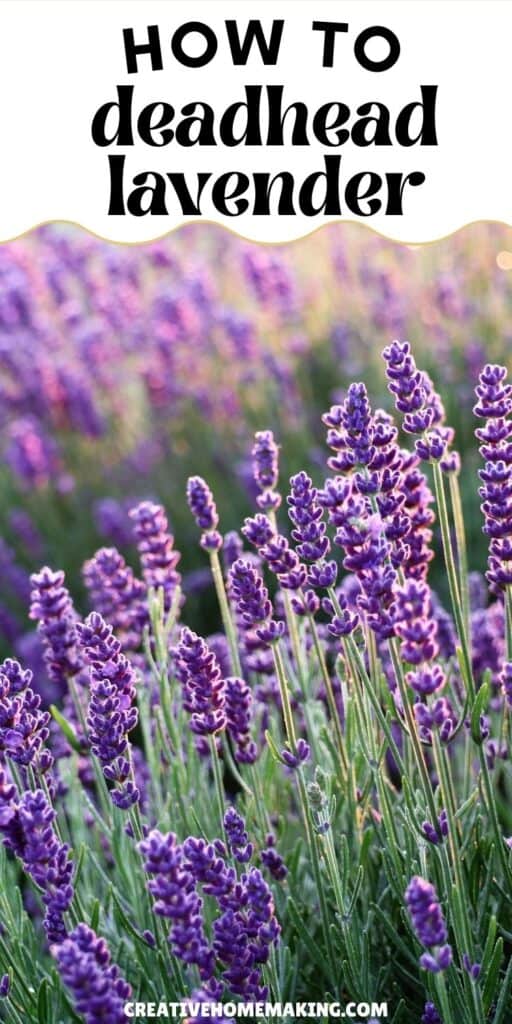
Deadheading lavender is one of the easiest ways to keep your plants looking beautiful and blooming longer.
If you’ve ever noticed your lavender starting to look a little faded or messy after blooming, this simple step can make a big difference.
By removing spent flowers, you encourage your plant to focus its energy on new growth—meaning more blooms and a healthier plant overall.
If you’re just getting started, choosing the right variety makes a big difference—here are the best lavender seeds for beginners.
If you’re still getting started with lavender, I also share a simple guide to growing lavender from seed so you can build a thriving garden from the beginning.
Want to try making your own jelly at home?
Get my free guide with 8 easy, beginner-friendly jelly recipes you can confidently make.
Should You Deadhead Lavender?
Yes, deadheading lavender helps promote more blooms and keeps the plant healthy.
By removing spent flowers, the plant directs its energy into new growth instead of seed production, leading to a longer flowering season.
What Is Deadheading?
Deadheading simply means removing flowers that have already bloomed and started to fade.
Instead of letting the plant put energy into producing seeds, deadheading redirects that energy into:
- New growth
- More blooms
- Stronger, healthier plants
It’s a quick task, but it has a big impact on how your lavender looks and grows.
Why Deadheading Lavender Matters
Deadheading isn’t just about appearance—it actually helps your plant thrive.
- Encourages more blooms
- Extends the flowering season
- Keeps plants neat and tidy
- Helps prevent disease
With regular deadheading, your lavender can continue blooming well into the season.
When to Deadhead Lavender
The best time to deadhead lavender is right after the flowers start to fade.
This is usually:
- Late spring or early summer (first bloom)
- Again in late summer for a second flush
If you stay consistent, you’ll often get more blooms than if you leave the plant untouched.
How to Deadhead Lavender (Step-by-Step)
Deadheading lavender is simple and only takes a few minutes.
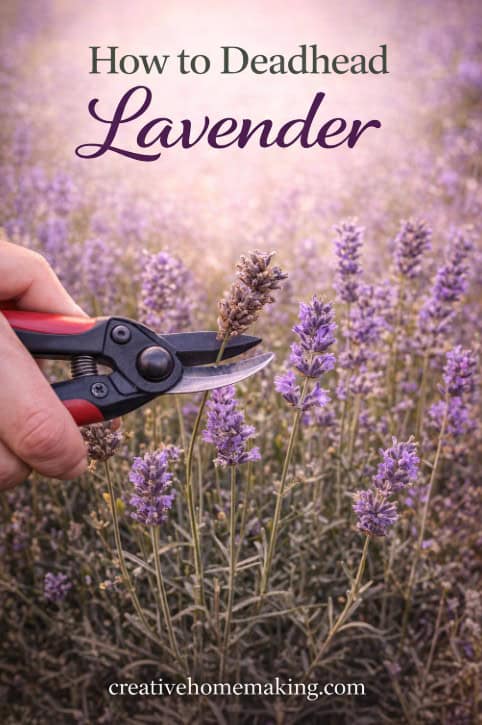
- Look for faded or drooping flowers
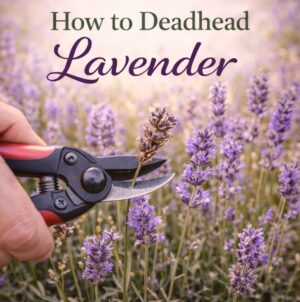
- Follow the stem down to the first set of leaves
- Cut just above that point using clean, sharp shears
- Repeat across the plant as needed
Cutting at this spot encourages the plant to branch out and produce more blooms.
Tools You’ll Need
You don’t need much to get started:
- Sharp scissors or pruning shears
- (Optional) micro-tip snips for precision
Make sure your tools are clean to avoid damaging the plant.
Aftercare Tips for Healthy Lavender
After deadheading, a little care helps your plant continue to thrive:
- Water deeply but infrequently
- Let soil dry between watering
- Avoid overwatering (lavender prefers dry conditions)
- Provide plenty of sunlight
If you’re unsure about watering or soil, I go into more detail in my guide to common lavender growing mistakes.
Can You Use Deadheaded Lavender?
Yes—and this is one of the best parts.
The flowers you remove can be used for:
- Drying
- Sachets
- Teas
- Homemade recipes
If you want to make the most of your harvest, you can dry and preserve your lavender to use all year long—I share simple ways to do that in my guides on drying and preserving lavender.
Tips for Different Lavender Varieties
Most lavender types can be deadheaded the same way, but a few small differences can help:
- English lavender – Cut back to just above the leaves for fuller regrowth
- Spanish and French lavender – Lightly trim stems to keep plants from getting leggy
Knowing your variety helps you get the best results.
Deadheading lavender is a small task that makes a big difference.
With just a few minutes of pruning, you can keep your plants looking neat, encourage more blooms, and enjoy your lavender for longer throughout the season.
And once you start harvesting regularly, you’ll have plenty to use in your home, your kitchen, and your garden.
Follow my lavender board on Pinterest.