This post may contain affiliate links.
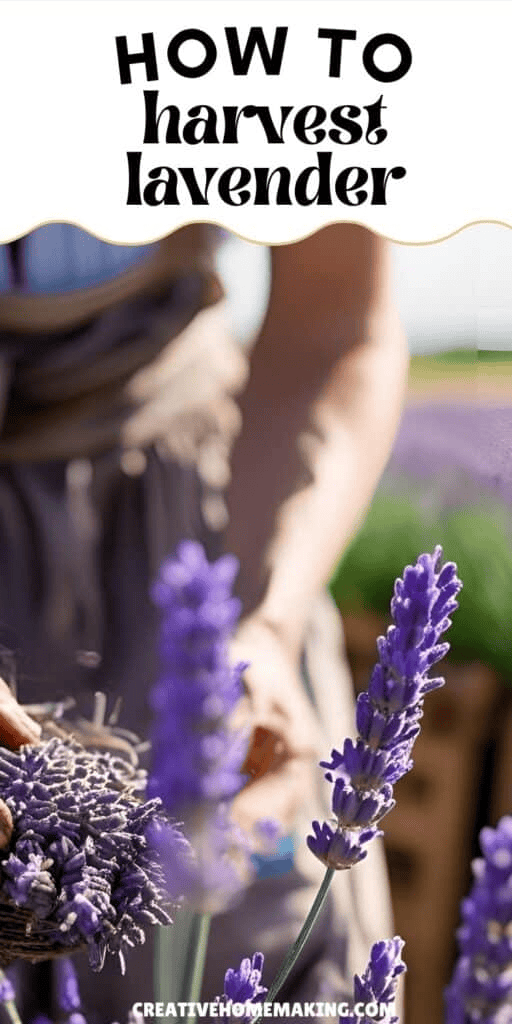
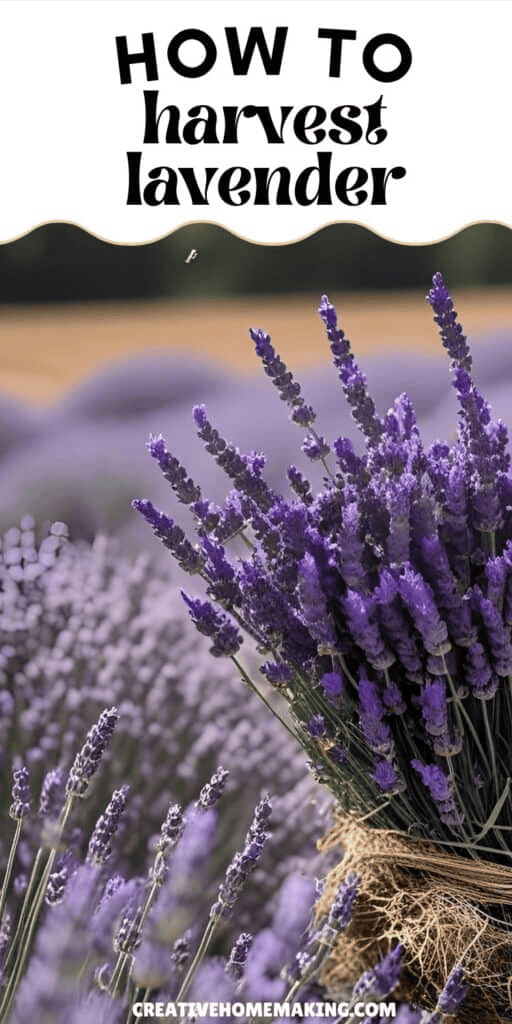
Harvesting lavender is simple, but picking it at the right time makes all the difference.
The best time to harvest lavender is in the early morning after the dew has dried but before the sun gets too hot, which helps preserve its scent and natural oils.
This ensures you get the most fragrance and flavor whether you plan to dry lavender, use it in cooking, or make homemade lavender recipes like lavender syrup or lavender lemonade.
If you’re growing lavender at home, it also helps to understand common growing mistakes so your plants stay healthy and productive year after year.
Avoiding common lavender growing mistakes will help your plants stay healthy and produce better blooms each season.
Want to try making your own jelly at home?
Get my free guide with 8 easy, beginner-friendly jelly recipes you can confidently make.
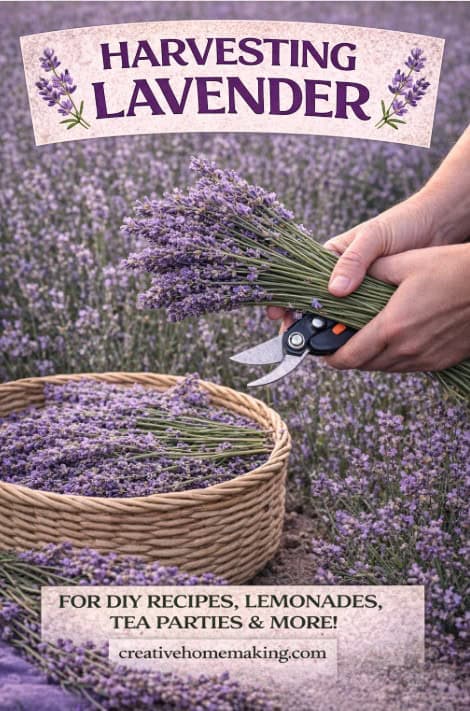
When and How to Harvest Lavender
Knowing the right time to cut your lavender will help you keep its fragrance strong and the plant healthy.
You also want to recognize the best-looking blooms and use the right tools to get a clean cut without hurting the plant.
Best Time to Harvest Lavender
You should harvest lavender when the buds are just starting to open but before they turn brown. This timing keeps the fragrance strong and the essential oils at their peak.
If you want dried lavender bundles, cut early when most flowers are still in bud form. For cooking or crafts, harvest slightly before the blooms fully open.
Early morning, after the dew has dried but before the sun gets too hot, is the best time to harvest. This helps keep the oils from evaporating and locks in the scent.
If you’re just getting started, learn how to grow lavender from seed with this simple beginner-friendly guide.
Identifying Ready-to-Harvest Blooms
Look for lavender buds that are tight and compact. They should have some color, usually pale purple or pink, but not fully open or faded.
Avoid cutting when the buds are brown or wilted, as this means the flowers are past their prime and the scent fades.
You can also check the plant for about one-third to one-half of the flower spikes showing color but still mostly in bud form. This stage gives the highest quality for most uses.
Once harvested, you can dry lavender to preserve its fragrance and use it later in recipes, teas, and DIY projects.
Recommended Tools and Methods
Use sharp pruners or scissors for a clean cut. Dull tools can crush stems and stress the plant.
Cut about one-third down the stem, just above the leaf line. This encourages new growth and keeps your lavender healthy.
Wear gardening gloves to protect your hands from the plant’s slight stickiness and to make trimming easier.
Hold the stems gently and cut them in bunches to avoid damaging other parts of the plant while harvesting.
Harvesting lavender at the right time is the first step in preserving it. From drying to making syrups and oils, there are many simple ways to store lavender for later use.
Post-Harvest Lavender Care
After harvesting your lavender, it is important to handle it carefully to keep its fragrance and color.
How you dry and store the lavender will affect how long it stays fresh and useful. Avoid mistakes that can cause mold or loss of scent.
Proper Drying Techniques
To dry lavender well, start by gathering your stems into small bundles.
Tie them with string or rubber bands. Hang the bundles upside down in a dark, dry place with good air circulation. A closet or a shaded attic works perfectly.
Make sure the drying area is cool and away from direct sunlight.
Sunlight can fade the purple color and weaken the scent. Drying usually takes about 2 weeks, but check the flowers to see when they feel crisp.
You can also lay the stems flat on a screen or rack if you prefer. Just turn them occasionally for even drying. Proper drying keeps the lavender’s oils intact and prevents mold.
Dried lavender can be used in a variety of recipes, including lavender lemonade, lavender scones, and homemade lavender syrup.
Storing Lavender for Freshness
Once your lavender is dry, store it in a way that preserves its scent and color. Use airtight containers like glass jars or sealed bags. Keep them in a cool, dark spot to avoid heat or light damage.
If you plan to use lavender for crafts or cooking, store the flowers or buds separately from the stems. This makes it easier to access the parts you need.
Label your containers with the date of harvest. Lavender usually stays fresh for up to a year if stored correctly.
Avoid keeping it in areas with high humidity, which can cause the lavender to get damp and spoil.
Common Mistakes to Avoid
One common mistake is drying lavender in the sun or a damp place. This weakens the scent and can cause mold.
Another error is bundling the stems too thickly. Thick bundles slow air flow, making the lavender moldy inside. Keep bundles loose enough for air to move around.
Forgetting to check for moisture during drying is also a problem. If stems feel soft or smell bad, the lavender hasn’t dried fully.
Avoid storing lavender in plastic containers that are not airtight or in places with fluctuating temperatures. These conditions ruin your lavender over time.
For more tips on growing, harvesting, and using lavender, explore this complete lavender guide.
Follow my lavender board on Pinterest.