This post may contain affiliate links.
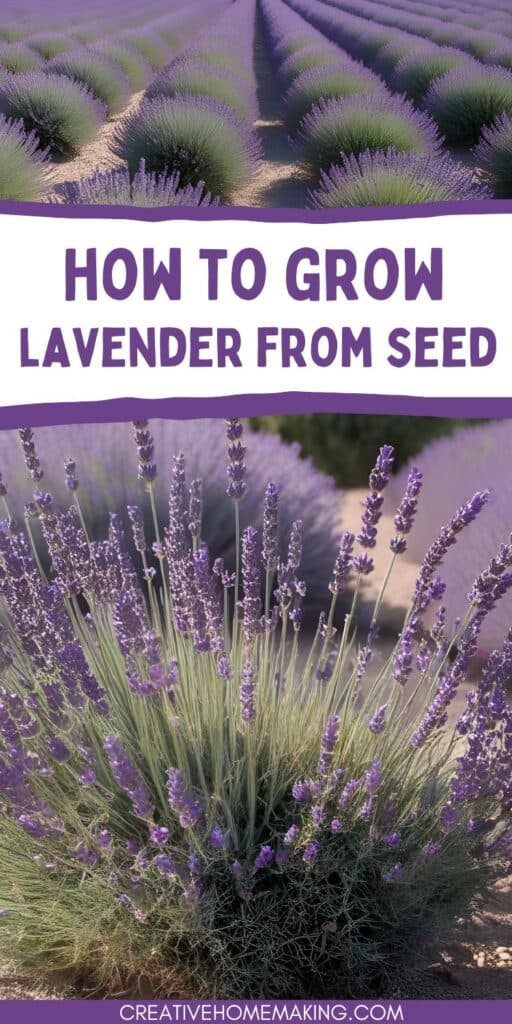
Growing lavender from seed can be such a rewarding experience. With a little patience and the right steps, you can grow beautiful, fragrant plants right from scratch.
Lavender adds charm to any garden, attracts pollinators, and gives you a steady supply of blooms you can use in recipes, teas, and home projects.
If you’ve ever wanted to grow your own lavender, this beginner-friendly guide will walk you through exactly how to do it.
And once you have a harvest? You’ll definitely want to use it—don’t miss these lavender recipes.
Getting Started with Lavender Seeds
Growing lavender from seed takes a little more time than buying plants, but it’s incredibly satisfying.
Want to try making your own jelly at home?
Get my free guide with 8 easy, beginner-friendly jelly recipes you can confidently make.
Before you begin, focus on two things:
- Choosing the right variety
- Gathering the right supplies
Choosing the Right Lavender Variety
Not all lavender varieties grow the same, so choosing the right one makes a big difference—especially for beginners.
Here are a few good options:
- English Lavender (Lavandula angustifolia) – Hardy, fragrant, and great for most climates
- French Lavender (Lavandula dentata) – Better for warmer regions
- Spanish Lavender (Lavandula stoechas) – Unique blooms and loves full sun
If you’re planning to use lavender in recipes, it’s especially important to choose the right type. I share more about that in my post on culinary lavender and how to use it.
Supplies You’ll Need
Before planting, gather everything you need:
- Lavender seeds (high-quality source)
- Seed trays or small pots
- Seed starting mix (light and well-draining)
- Spray bottle or watering can
- Plastic cover or wrap (for humidity)
Having everything ready ahead of time makes the process much easier.
How to Plant Lavender Seeds
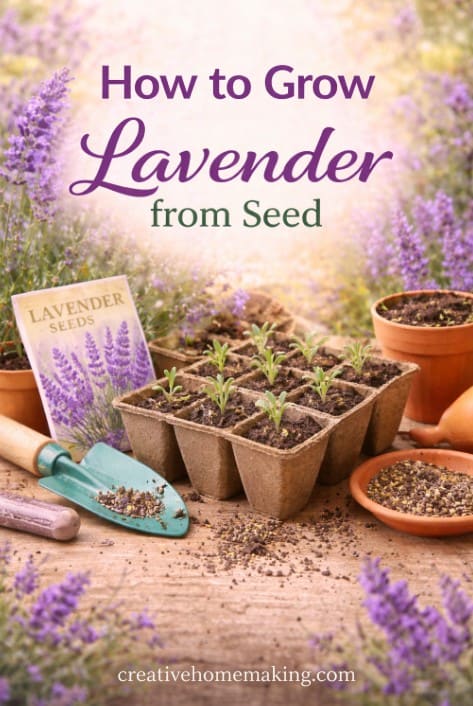
Start by filling your pots or seed trays with a light seed-starting mix. Lightly moisten the soil before planting.
Sprinkle the seeds on top of the soil—don’t bury them. Lavender seeds need light to germinate, so gently press them into the surface instead.
Cover the containers with plastic wrap or a lid to keep moisture in.
Place them in a warm, bright location and keep the soil lightly moist (not soggy).
Germination usually takes 2–4 weeks, so be patient—lavender takes its time!
Providing the Right Light and Water
Once your seeds sprout, remove the plastic cover.
Lavender needs plenty of light, so place your seedlings:
- In a sunny window (south-facing if possible)
- Or under grow lights
When it comes to watering:
- Let the top inch of soil dry out between watering
- Avoid overwatering
Too much moisture is one of the most common mistakes with lavender.
If you’re new to growing lavender, it’s easy to overwater or plant it in the wrong soil. I talk more about that in my post on common lavender growing mistakes.
Transplanting Lavender Seedlings
Once your seedlings have at least two sets of true leaves, they’re ready to be transplanted.
You can move them into:
- Larger pots
- Or directly into your garden
Choose a location that has:
- Full sun (6–8 hours daily)
- Well-drained soil
Before planting outdoors, loosen the soil and mix in sand or perlite to improve drainage.
Gently place each seedling in its new spot, press the soil around it, and water lightly.
Ongoing Lavender Care
After transplanting, your lavender will need a little extra care while it gets established.
- Water regularly for the first few weeks
- Then reduce watering once plants are established
- Avoid over-fertilizing (lavender prefers lean soil)
Keep an eye out for:
- Yellowing leaves (often too much water)
- Poor growth (may need more sunlight)
Harvesting and Preserving Your Lavender
When your lavender starts to bloom, you can harvest it and dry it to use later—I walk through that step-by-step in my guide to harvesting lavender.
To make the most of your harvest, you can dry your lavender and preserve it for later—I share exactly how to do that in my guides on drying lavender and preserving lavender.
Ways to Use Your Lavender
One of the best parts of growing lavender is using it!
Here are a few favorite ideas:
Once your lavender starts blooming, you can use it in all kinds of recipes—from iced tea to homemade jam. I’ve shared several of my favorite ideas in my lavender recipes collection.
Growing lavender from seed takes a little patience, but it’s absolutely worth it.
With the right variety, proper light, and careful watering, you’ll be rewarded with beautiful plants and fragrant blooms you can enjoy all season long.
And once you start growing lavender, you’ll quickly discover just how many ways you can use it—both in your garden and in your kitchen.
Follow my lavender board on Pinterest.