This post may contain affiliate links.
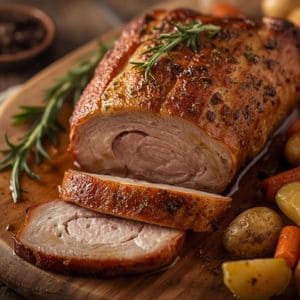
You want a simple way to make baked pork tenderloin that comes out juicy, flavorful, and easy to cook.
Season it well, roast it at the right temperature, and let it rest — that gives you tender meat and a tasty pan sauce without fuss.
This post shows how to make baked pork tenderloin step by step and gives practical tips for a great crust, perfect doneness, and quick side ideas.
Try the techniques here and you’ll feel confident serving a restaurant-quality meal any night of the week.

How to Make Baked Pork Tenderloin
This section shows how to pick a tenderloin, what to keep in your pantry, and a clear prep and cooking plan. You’ll also get simple serving ideas that match the flavors you choose.
Want to try making your own jelly at home?
Get my free guide with 8 easy, beginner-friendly jelly recipes you can confidently make.
Choosing the Right Pork Tenderloin
Choose pork tenderloin that is about 1 to 1.5 pounds for 2–4 people. Look for a uniform cylinder shape so it cooks evenly. Avoid pieces with large streaks of fat or silvery discoloration.
| You Might Also Like | |
| Slow Cooker Pot Roast Slow-cooked, tender pot roast perfection |
|
| Slow Cooker Pork Roast Tender, flavorful pork roast made effortless |
|
| Slow Cooker Pork Tenderloin Juicy slow-cooked pork tenderloin dinner |
|
Check the sell-by date and press the meat gently; fresh pork should spring back.
If you buy two smaller pieces, trim them the same size or tie them with kitchen twine so they finish at the same time.
If you prefer milder flavor, pick a lean bundle; for more flavor, buy one with a little fat cap to baste during cooking.
Ingredients
- 1 to 1.5 lb pork tenderloin
- 2 tablespoons olive oil
- 1 tablespoon brown sugar
- 1 teaspoon smoked paprika
- ½ teaspoon onion powder
- 1 teaspoon garlic powder
- ½ teaspoon dried oregano or thyme
- 1 teaspoon salt
- ½ teaspoon black pepper
Instructions
Preheat your oven to 400°F (200°C) and lightly grease a baking dish or line a rimmed baking sheet with parchment paper.
Pat the pork tenderloin completely dry with paper towels to ensure the rub sticks and the meat roasts properly.
In a small bowl, combine the brown sugar, smoked paprika, garlic powder, onion powder, oregano, salt, and pepper to create a savory rub.
Drizzle the olive oil over the pork and use your hands to coat it evenly.
Generously rub the spice mixture over all sides of the meat, pressing it in so it adheres well.
Place the pork in the prepared baking dish.
Roast in the oven for 20 to 25 minutes, or until an internal meat thermometer reaches 145°F (63°C) in the thickest part.
Remove the pork from the oven and transfer it to a clean cutting board.
Tent the meat loosely with aluminum foil and let it rest for at least 5 to 10 minutes; this is the secret to the best pork tenderloin recipes as it keeps the meat juicy.
Slice the tenderloin into thick medallions and serve immediately with your favorite sides.ons, and serve.butter and spoon over sliced pork.
Serving Suggestions
Slice tenderloin into 1/2-inch medallions and arrange on a warm platter. Serve with roasted vegetables like carrots and Brussels sprouts for a simple weeknight plate.
For starches, choose mashed potatoes, rice, or a couscous salad. Top slices with pan sauce, a spoonful of Dijon-honey glaze, or a sprinkle of chopped parsley for color.
Leftovers work well cold in sandwiches, sliced thin with mustard and arugula, or reheated gently with a splash of broth to keep the meat moist.
Tips for the Best Baked Pork Tenderloin
Use bold seasoning, control oven temperature, and rest the meat after baking. Proper marinating, correct internal temperature, and smart storage keep the pork juicy and safe to eat.
Marinating and Seasoning Ideas
Pick a simple rub or a wet marinade so flavors reach the center. For a dry rub, mix 1 tsp salt, ½ tsp black pepper, 1 tsp garlic powder, and 1 tsp dried herbs (thyme, rosemary, or Italian seasoning).
Pat the tenderloin dry, rub evenly, and let it sit 15–30 minutes at room temperature or up to 12 hours in the fridge.
For a wet marinade, combine 2 tbsp olive oil, 1 tbsp vinegar or lemon juice, 2 minced garlic cloves, and 1 tsp mustard or soy sauce.
Marinate in a sealed bag for 1–4 hours. Avoid long marinades with acid over 12 hours, which can make the meat mushy.
If you like a crust, sear the tenderloin 1–2 minutes per side in a hot pan before baking. Add sliced onions or whole garlic cloves to the roasting pan to flavor the pan sauce.
Oven Baking Temperatures and Timing
Set your oven to 400°F (205°C) for a balance of crust and juiciness. For a 1-pound tenderloin, bake 20–30 minutes until the center reaches 145°F (63°C) on a meat thermometer.
Larger pieces need more time; plan about 20–25 minutes per pound as a rough guide.
Insert the probe into the thickest part without touching bone. If you used a sear, bake uncovered; if not, you can tent with foil to prevent over-browning.
Let the meat rest 5–10 minutes after you remove it from the oven; the internal temperature will rise a few degrees and juices will redistribute.
How to Store and Reheat
Cool the leftover tenderloin quickly. Slice or leave whole, wrap tightly, and refrigerate within two hours in an airtight container for up to 4 days.
To reheat without drying, warm slices in a low oven at 300°F (150°C) for 10–15 minutes covered with foil.
You can also reheat slices in a skillet over low heat with a splash of broth or water and a lid, about 3–5 minutes, turning once. If you use a microwave, cover and use short 30-second bursts to avoid overcooking.
Follow my Tenderloin board on Pinterest.