This post may contain affiliate links.
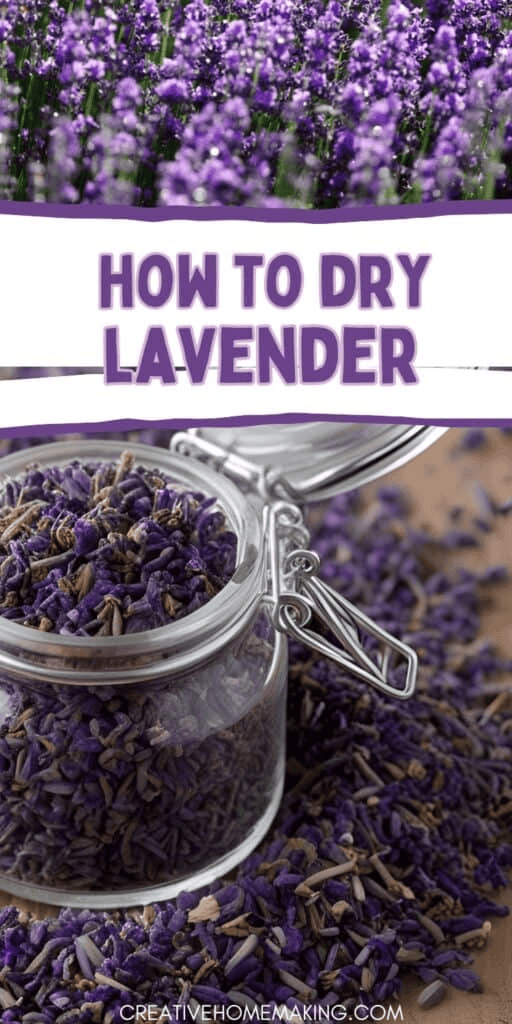
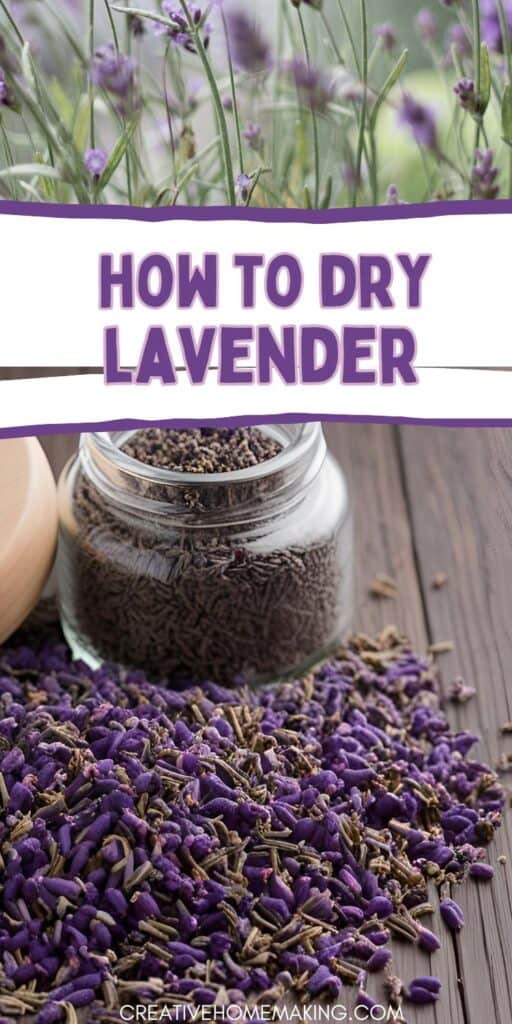
Drying lavender is a simple and rewarding way to preserve its beautiful scent and color. With just a little time and the right technique, you can enjoy lavender in recipes, crafts, and home uses all year long.
You can use dried lavender in many ways. It makes a great addition to potpourri, sachets, or even culinary dishes. Plus, having dried lavender on hand allows you to enjoy its aroma any time you want.
If you’re just getting started, learn how to grow lavender from seed with this simple beginner guide.
If you are ready to learn more about the best techniques and tips for drying lavender, keep reading. You’ll discover how easy it can be to enjoy this beautiful herb all year round!
What to Do with Dried Lavender
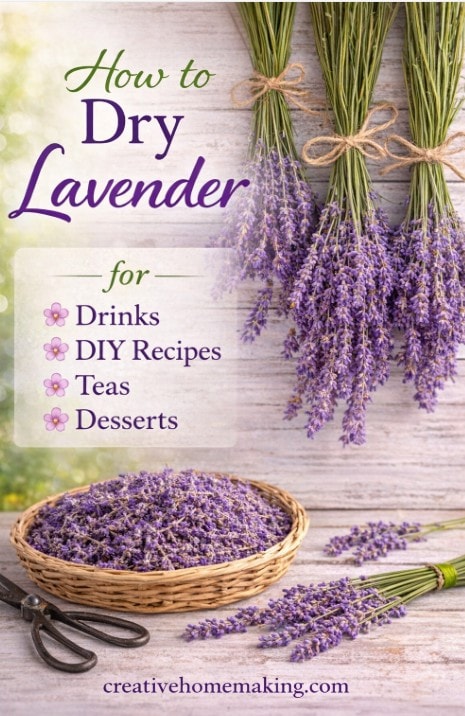
Once your lavender is dried, you can use it in a variety of ways:
Want to try making your own jelly at home?
Get my free guide with 8 easy, beginner-friendly jelly recipes you can confidently make.
- Homemade lavender syrup for drinks like lemonade and lattes
- Baking and desserts
- Herbal teas
- Sachets and potpourri
- DIY projects like lavender oil
If you’re using lavender in recipes, be sure to choose culinary lavender for the best flavor.
Gathering Lavender for Drying
To dry lavender successfully, you need to gather it at the right time and handle it properly. Timing and technique are key to making sure your lavender retains its scent and color.
Planting lavender alongside the right companion plants can help your garden thrive and produce healthier blooms.
Choosing the Right Time to Harvest
The best time to harvest lavender is when the buds are just starting to bloom. This is when the oils in the plant are at their peak.
Here are some tips for timing your harvest:
- Morning: Pick lavender in the morning after the dew has dried. This helps keep the flowers fresh.
- Weather: Choose a dry day. Moisture can cause mildew and spoil your lavender.
- Stage: Look for flowers that show color, but haven’t fully opened yet. This stage helps maintain fragrance during drying.
Timing your harvest right is essential for getting the best out of your lavender.
Regularly deadheading lavender also helps encourage more blooms throughout the season.
If you’re looking for ways to use dried lavender, try these easy lavender recipes for drinks, desserts, and more.
Cutting and Bundling Lavender Stems
When cutting lavender, use sharp garden shears. This will give you clean cuts and prevent damage to the plant.
Follow these steps for cutting and bundling:
- Length: Cut stems about 12 to 18 inches long. This length is easy to handle and looks nice.
- Bundle Size: Gather 5 to 10 stems per bundle. This keeps them manageable while they dry.
- Tie Bundles: Use a rubber band or natural twine to tie the stems together. Make sure it is tight enough to hold them but not so tight that it crushes the stems.
After bundling, hang the lavender upside down in a cool, dark, and dry place. This helps preserve its color and scent during the drying process.
If you’re growing lavender in small spaces, it also does very well in containers with the right care.
Drying lavender is one of the easiest ways to preserve it for later use. For more ideas, see this guide to preserving lavender, including syrups, oils, and other methods.
Drying and Storing Lavender
Drying and storing lavender helps retain its lovely scent and flavor. You can enjoy lavender in various ways, like teas, sachets, or cooking.
Methods of Drying Lavender
There are several easy methods you can use to dry lavender. The most common way is air drying.
To do this, tie small bundles of lavender stems together with string or twine. Hang them upside down in a warm, dry place with good airflow.
Another method is using a dehydrator. Place the lavender on the dehydrator trays in a single layer. Set the temperature to low and let it dry for a few hours. You can also use an oven.
Spread the lavender on a baking sheet and set the oven to the lowest temperature. Keep the door slightly open to let moisture escape. Check the lavender regularly to avoid burning.
Preparing Dried Lavender for Storage
Once the lavender is dry, it’s time to prepare it for storage. First, make sure the lavender is completely dry to prevent mold growth.
You can check by rubbing a flower between your fingers. If it crumbles easily, it’s ready.
Next, remove the leaves and stems if desired. Store the dried lavender in airtight containers like glass jars or resealable bags.
Keep these containers in a cool, dark place. You can also label them with the date to keep track of freshness.
You can also use dried lavender to make homemade lavender oil for DIY projects and natural beauty uses.
Dried lavender is perfect for making homemade lavender syrup, which can be used in drinks like lemonade, iced tea, and lattes.
Tips for Long-Term Preservation
To keep your dried lavender fresh longer, avoid direct sunlight and moisture. It’s best to store the lavender in a dark cupboard or pantry.
Consider adding silica gel packets to the storage containers to absorb excess moisture. If you want to protect the scent, you can also use cloth bags. Just make sure they are breathable and allow airflow.
Regularly check your dried lavender for signs of mold or loss of fragrance. If you notice any issues, it’s best to discard it.
Avoiding common lavender growing mistakes will help keep your plants healthy and produce better harvests each year.
For more tips on growing, harvesting, and using lavender, visit this complete guide to lavender.
Follow my lavender board on Pinterest.