This post may contain affiliate links.
If you’ve ever tried growing lavender from seed and felt frustrated, you’re not alone.
Some varieties can be tricky—but the good news is that certain types of lavender are much easier for beginners to grow successfully.
Choosing the right seeds makes all the difference.
In this guide, I’ll share the best lavender seed varieties for beginners, plus a few simple tips to help you get strong, healthy plants from seed.
If you want a full breakdown of each variety, check out this guide to types of lavender.
Want to try making your own jelly at home?
Get my free guide with 8 easy, beginner-friendly jelly recipes you can confidently make.
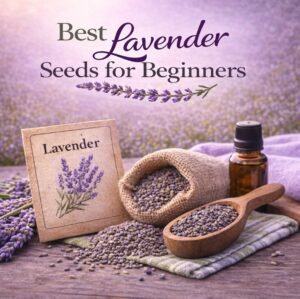
Recommended Lavender Seeds for Beginners
- Munstead Lavender Seeds (great for beginners)
- Hidcote Lavender Seeds (compact and fragrant)
- Lavender Seed Variety Pack (good for experimenting)
If you’re not sure where to start, I recommend going with Munstead or Hidcote—they’re the easiest for beginners.
Supplies for Starting Lavender Seeds
- Easy lavender grow kit
- Seed starting trays
- Well-draining seed starting mix
- Grow lights (optional but helpful)
- Spray bottle for gentle watering
Why Some Lavender Seeds Are Hard to Grow
Lavender is a Mediterranean plant, which means it naturally prefers:
- Warm temperatures
- Well-drained soil
- Plenty of sunlight
Some varieties (especially ornamental types) can be slow to germinate or require very specific conditions.
That’s why beginners should start with reliable, hardy varieties that sprout more easily.
One of the biggest mistakes beginners make is overwatering—here’s how much water lavender actually needs.
Best Lavender Seeds for Beginners
English Lavender (Lavandula angustifolia)
Best overall choice for beginners
- Easier germination than other types
- Cold-hardy and forgiving
- Classic lavender scent
- Great for cooking, teas, and crafts
Popular varieties:
- Munstead
- Hidcote
If you only try one type, start here.
Lavandin (Lavandula x intermedia)
Best for fast growth and strong fragrance
- Hybrid variety (very vigorous)
- Grows larger than English lavender
- Strong scent—great for sachets and oil
Good to know:
Seeds can be a little less consistent, but still beginner-friendly overall.
French Lavender (Lavandula dentata)
Best for warm climates
- Tolerates heat better
- Germinates fairly reliably
- Unique, slightly serrated leaves
Note: Not as cold-hardy as English lavender.
Spanish Lavender (Lavandula stoechas)
Best for visual interest
- Distinct “rabbit ear” blooms
- Grows well in warmer regions
- Adds variety to your garden
Heads up: Slightly trickier than English lavender, but still doable for beginners.
Tips for Growing Lavender from Seed (Beginner-Friendly)
If you’re just getting started, you’ll want to read my full guide on how to grow lavender from seed for step-by-step instructions.
If you want better results, these simple tips make a huge difference.
Before you plant, make sure you’re not making these common lavender growing mistakes. As your plants grow, don’t forget to deadhead lavender properly to encourage more blooms.
Cold stratify your seeds
- Place seeds in the fridge for 2–3 weeks before planting
- Helps improve germination rates
Use light, well-draining soil
- Lavender hates soggy roots
- Use seed-starting mix + a little sand if possible
Don’t bury the seeds
- Lightly press them into the soil
- Lavender needs light to germinate
Be patient
- Germination can take 2–4 weeks (or longer)
- Totally normal!
Seeds vs. Plants: What’s Better?
If you’re brand new, you might wonder:
- Seeds: cheaper, more variety, slower start
- Plants: faster results, easier success
Many beginners start with seeds and one plant for confidence.
If you want the easiest success, stick with:
English lavender (Munstead or Hidcote)
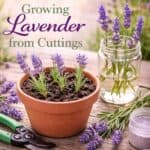
It’s hardy, reliable, and perfect for beginners. If you want a faster method, you might prefer growing lavender from cuttings instead of seeds.
Once you get comfortable, you can branch out into more unique varieties and expand your lavender garden. Pairing your plants correctly matters—these are the best companion plants for lavender.
If you’re short on space, you can also try growing lavender in pots, which works beautifully on patios and small gardens.
If you want the full picture, here’s a complete guide on how to grow lavender successfully from start to finish.
Follow my lavender board on Pinterest.