This post may contain affiliate links.
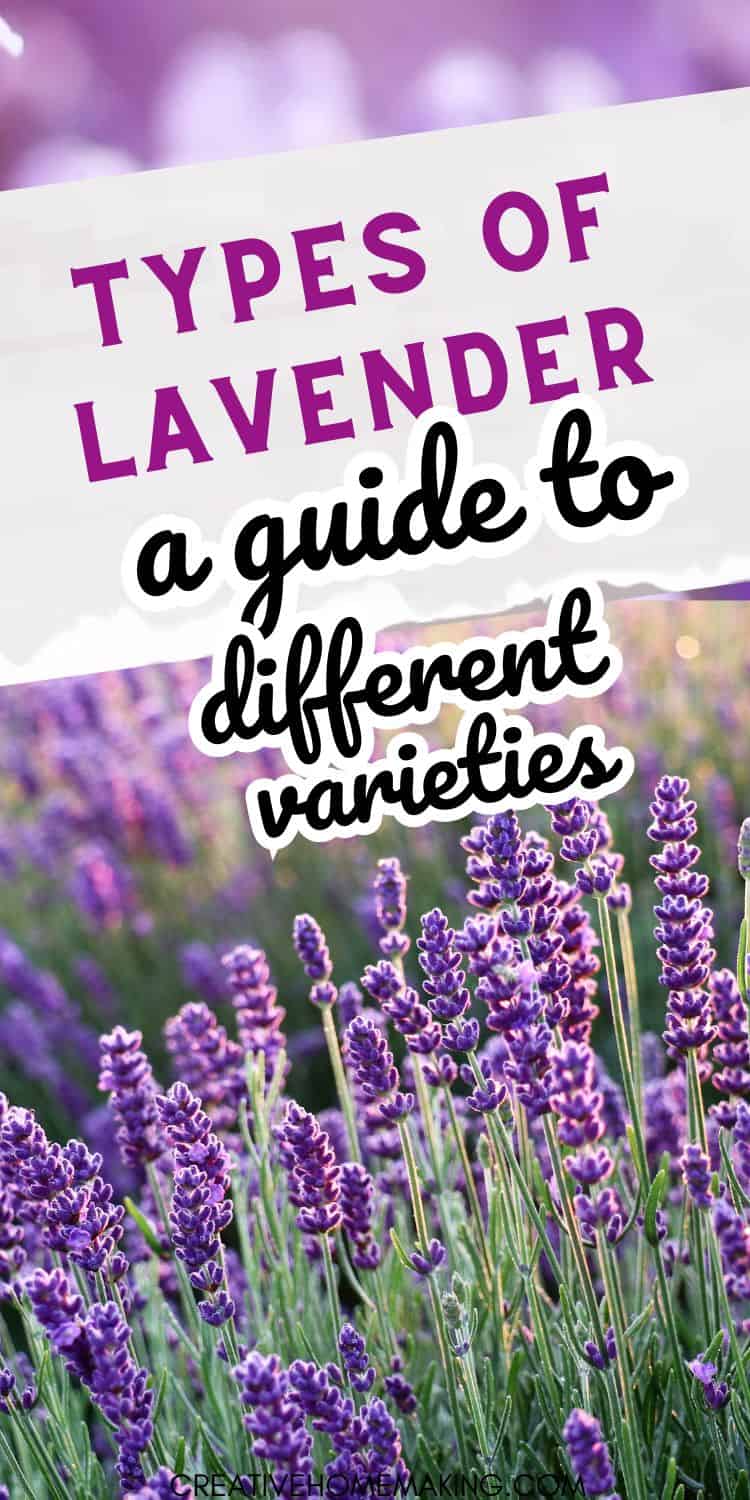
When most people think of lavender, they picture soft purple flowers and a calming scent—but there are actually many different types of lavender, each with its own look, fragrance, and best use.
Whether you’re planting a garden, growing lavender in pots, or planning to use it in recipes, choosing the right variety can make a big difference.
If you’re just getting started, choosing the right variety makes a big difference—here are the best lavender seeds for beginners.
What Are the Different Types of Lavender?
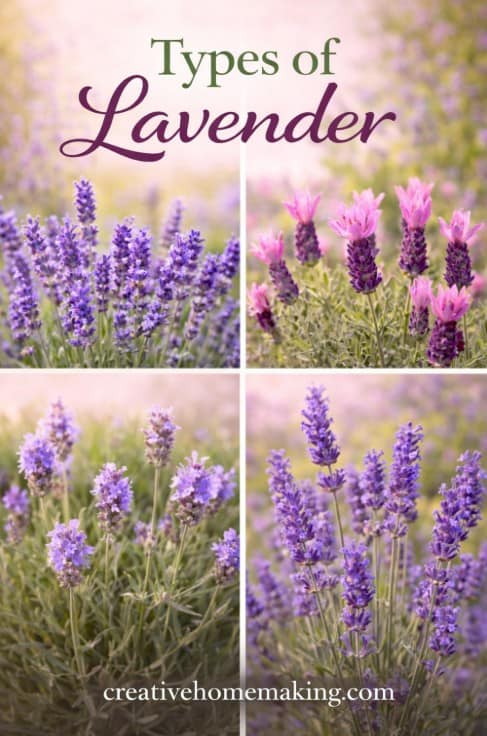
The most common types of lavender include English lavender, French lavender, Spanish lavender, and lavandin. Each variety has different characteristics, but most prefer full sun and well-drained soil.
The Most Common Types of Lavender
Here are the most popular lavender varieties and what makes each one unique:
Want to try making your own jelly at home?
Get my free guide with 8 easy, beginner-friendly jelly recipes you can confidently make.
English Lavender (Lavandula angustifolia)
English lavender is the most well-known variety—and for good reason.
- Sweet, classic lavender scent
- Compact and easy to grow
- Great for cooking, teas, and desserts
If you’re planning to use lavender in recipes, this is the best place to start. I share more about how to choose and use culinary lavender if you’re using it in your kitchen.
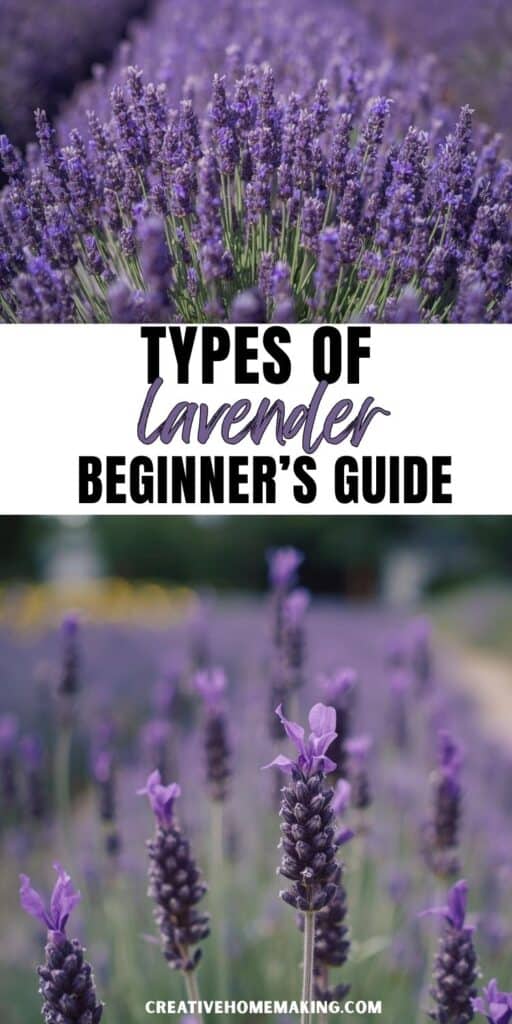
French Lavender (Lavandula stoechas)
French lavender has a more bold, slightly herbal scent and a unique look.
- Distinctive flower shape
- Strong fragrance
- Great for landscaping and decorative use
It’s a beautiful choice if you want something a little different in your garden.
Spanish Lavender (Lavandula dentata)
Spanish lavender is known for its textured leaves and strong aroma.
- Toothed (serrated) leaves
- Spicy, herbal scent
- Thrives in warm climates
It works especially well in Mediterranean-style gardens.
Lavandin (Lavandula x intermedia)
Lavandin is a hybrid of English and French lavender.
- Larger plants and longer stems
- Very fragrant
- Commonly used for essential oils
This is a great option if you want strong fragrance and lots of blooms.
How to Choose the Right Lavender
The best lavender for you depends on how you plan to use it.
- For cooking and recipes → English lavender
- For strong fragrance → Lavandin
- For warm climates → Spanish or French lavender
- For small spaces or pots → Compact English varieties
If you’re growing lavender in containers, I share more tips on choosing the right varieties and care methods in my guide to growing lavender in pots.
Growing Conditions for Lavender
No matter which type you choose, most lavender varieties prefer similar conditions:
- Full sun (6–8 hours daily)
- Well-drained soil
- Minimal watering
Lavender doesn’t like wet roots, so proper drainage is one of the most important factors for success. If you’re unsure about watering, I break that down in my guide to how much water lavender really needs.
Colors and Fragrance
Lavender isn’t just purple—there are several color variations:
- Deep purple
- Soft lavender
- Pink
- White
Each variety also has its own scent profile, ranging from sweet and floral to more herbal and bold.
Choosing the right one depends on your personal preference and how you plan to use it.
Ways to Use Lavender
One of the best things about growing lavender is how versatile it is.
You can use it for:
- Cooking and baking
- Teas and drinks
- Sachets and home fragrance
- Skincare and DIY products
Once your plants start blooming, you can harvest and dry your lavender to use all year long—I share simple ways to preserve it along with some of my favorite lavender recipes.
Growing Lavender in Your Garden or Containers
Lavender works beautifully in:
- Garden beds
- Borders and hedges
- Containers and pots
It also pairs well with other herbs and flowers. If you’re planning your garden layout, I share ideas for what to plant with lavender to create a beautiful, balanced space.
With so many types of lavender to choose from, there’s truly something for every garden and every use.
Whether you’re growing it for fragrance, cooking, or simply the beauty it adds to your space, choosing the right variety will help you get the best results.
And once you start growing lavender, you’ll quickly see why it’s such a favorite—it’s beautiful, versatile, and surprisingly easy to care for.
Follow my lavender board on Pinterest.