This post may contain affiliate links.
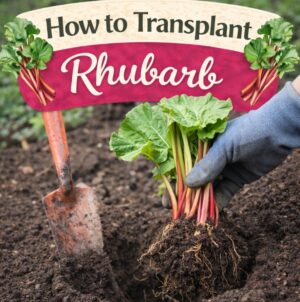
If your rhubarb plant is overcrowded, not producing well, or in the wrong spot, transplanting can help it grow stronger and healthier.
The best time to transplant rhubarb is in early spring or fall when the plant is dormant. This gives it time to establish roots before the growing season.
Looking for more ideas? Visit my full Rhubarb Recipes, DIY & Growing Guide.
When to Transplant Rhubarb
Timing matters for a successful transplant.
The best times are:
Want to try making your own jelly at home?
Get my free guide with 8 easy, beginner-friendly jelly recipes you can confidently make.
- Early spring (before new growth starts)
- Fall (after the plant goes dormant)
Avoid transplanting during hot summer weather.
Why Transplant Rhubarb?
You may need to move or divide your plant if:
- It’s overcrowded
- Stalks are getting smaller
- Growth has slowed
- You want to grow more plants
Transplanting helps rejuvenate older plants.
How to Transplant Rhubarb
Follow these simple steps:
Prepare the New Location
- Choose full sun (or light shade)
- Use well-drained soil
- Add compost or organic matter
Dig Up the Plant
- Dig around the plant carefully
- Lift the root ball without damaging it
- Keep as many roots intact as possible
Divide the Plant (Optional)
- Cut into sections with a sharp knife
- Each section should have:
- At least one bud
- Healthy roots
Replant
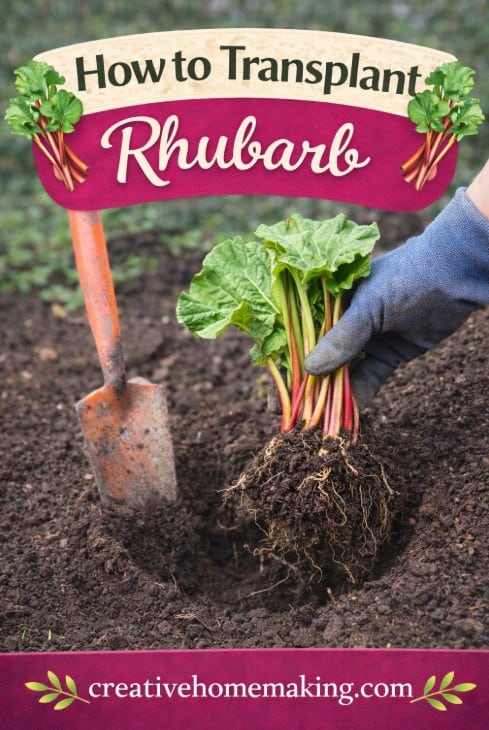
- Dig a hole large enough for the roots
- Place the crown just below soil level
- Backfill and gently firm the soil
Water Well
- Water thoroughly after planting
- Keep soil moist (not soggy)
Aftercare Tips
After transplanting:
- Water regularly for the first few weeks
- Add mulch to retain moisture
- Remove weeds around the plant
Avoid harvesting the first season after transplanting so the plant can recover.
Common Mistakes to Avoid
- Transplanting in hot weather
- Damaging roots during digging
- Planting too deep or too shallow
- Harvesting too soon after transplanting
Learn more: When to Harvest Rhubarb
What to Do with Fresh Rhubarb
Once your plant is established again:
Preserve Your Harvest
How to Freeze Rhubarb: A Quick and Easy Guide
FAQs
Can you move rhubarb plants?
Yes—rhubarb can be transplanted successfully when done at the right time.
When should you divide rhubarb?
Early spring or fall when the plant is dormant.
Does rhubarb like to be moved?
Not often—but it can benefit from occasional division and transplanting.
Follow my gardening board on Pinterest.




We transplanted rhubarb-one in late fall last year and one in February tis year. Both transplants are doing well. Is it OK to pick stalks this spring and summer?