This post may contain affiliate links.
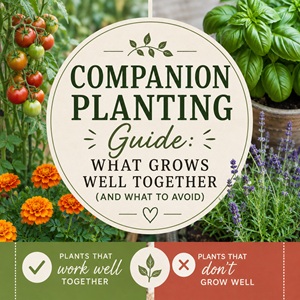
Companion planting is one of the easiest ways to grow a healthier, more productive garden—without relying on chemicals.
By planting the right combinations together, you can improve growth, boost flavor, repel pests, and make the most of your space.
But planting the wrong combinations? That can lead to poor growth, disease, and disappointing harvests.
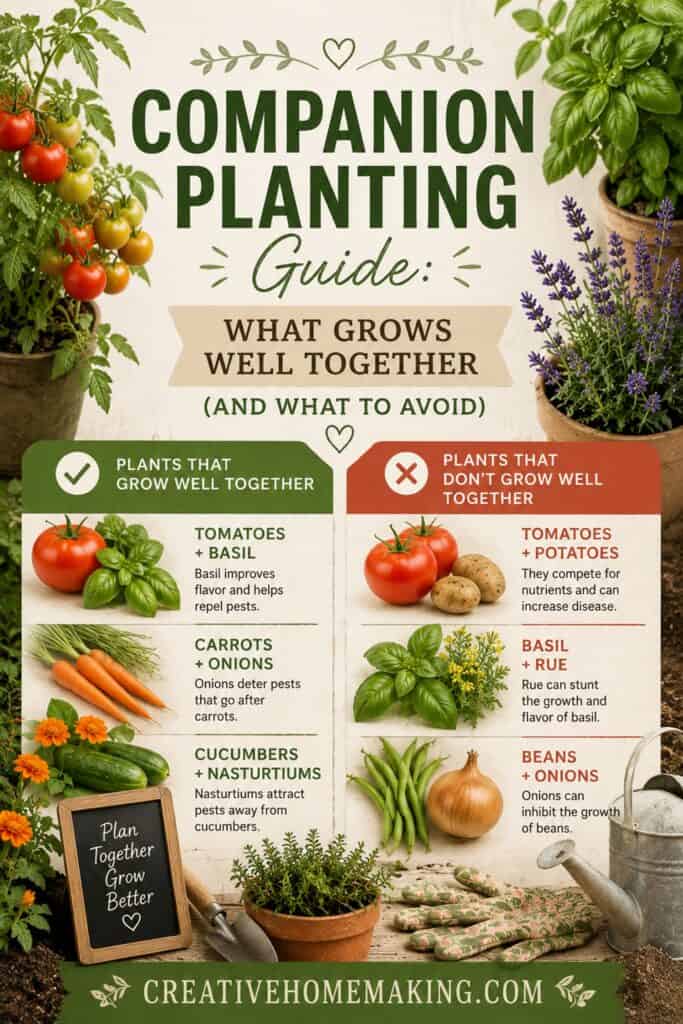
In this complete guide, you’ll find:
- The best companion plants for vegetables, herbs, and flowers
- What NOT to plant together (so you can avoid common mistakes)
- Easy ideas to help you plan your garden with confidence
Whether you’re just getting started or refining your garden layout, this guide will help you grow more—with less effort.
Want to try making your own jelly at home?
Get my free guide with 8 easy, beginner-friendly jelly recipes you can confidently make.
What NOT to Plant Together
Before choosing companion plants, it’s just as important to know which plants don’t grow well together.
Some plants compete for nutrients, attract the same pests, or even release substances that stunt growth in nearby plants.
Start here to avoid the most common gardening mistakes:
- What Not to Plant with Tomatoes
- What NOT to Plant With Peppers
- What Not to Plant with Peonies
- What Not to Plant With Hollyhocks
- What Not to Plant With Coneflowers
- What Not to Plant With Sunflowers
- What Not to Plant with Rhubarb
- What Not to Plant with Lilacs
- What Not to Plant with Bee Balm
- What Not to Plant with Cucumbers
- What Not to Plant With Lavender
- What Not to Plant with Onions
- What Not to Plant with Potatoes
- What Not to Plant with Carrots
Tip: If your plants aren’t thriving, incompatible neighbors are often the reason.
Vegetable Companion Planting
Vegetables benefit the most from companion planting. The right pairings can improve yields, enhance flavor, and naturally reduce pests.
Here are some of the best companion planting guides for common vegetables:
- Best Companion Plants for Tomatoes
- Best Companion Plants for Potatoes
- Best Companion Plants for Cucumbers
- Best Companion Plants for Zucchini
- Companion Plants for Carrots
- Companion Plants for Onions
- Companion Plants for Watermelon
- Companion Plants for Peas
- Companion Plants for Radishes
- Companion Plants for Lettuce
- Companion Plants for Green Beans
- Companion Plants for Garlic
- Companion Plants for Corn
These guides will help you create a productive vegetable garden that works with nature instead of against it.
Fruit & Berry Companion Plants
Fruit and berry plants can benefit greatly from the right companions—especially when it comes to pest control and pollination.
Explore these guides to help your fruit plants thrive:
- Best Companion Plants for Blueberries
- Best Companion Plants for Strawberries
- Companion Plants for Raspberries
- Companion Plants for Blackberries
- Companion Plants for Grapes
Adding the right companions can lead to stronger plants and bigger harvests.
Herb Companion Planting
Herbs are some of the most powerful companion plants you can grow.
Many herbs naturally repel pests, attract beneficial insects, and improve the health of nearby plants.
Use these guides to incorporate herbs into your garden:
- Grow Mint with These Companion Plants
- Companion Plants for Chives
- Best Companion Plants for Lavender
- The Best Companion Plants for Bee Balm
- Companion Plants for Rosemary
- Companion Plants for Basil
- Companion Plants for Thyme
- Companion Plants for Rosemary
Related post: Best Herbs to Plant Together (Easy Companion Planting Guide)
Planting herbs throughout your garden is one of the simplest ways to create a balanced, thriving ecosystem.
Flower Companion Planting
Flowers aren’t just for looks—they play an important role in a healthy garden.
They attract pollinators, deter pests, and bring beauty to your space at the same time.
Learn how to use flowers as companion plants:
- Best Companion Plants for Roses
- Best Companion Plants for Peonies
- Best Companion Plants for Lilacs
- Best Companion Plants for Clematis
- Best Companion Plants for Azaleas
- Best Companion Plants for Daffodils
- Companion Plants for Nasturtiums
- Companion Plants for Marigolds
- Companion Plants for Zinnias
- Companion Plants for Sunflowers
- 10 Beautiful Companion Plants for Dahlias
Adding flowers throughout your garden can make a big difference in both productivity and appearance.
Quick Companion Planting Guide
Here’s a simple reference to get you started:
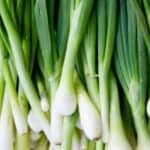
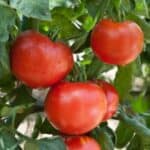
- Tomatoes: Grow well with basil, carrots, and onions. Avoid potatoes and corn.
- Cucumbers: Pair with radishes and beans. Avoid potatoes.
- Carrots: Grow well with onions and lettuce. Avoid dill.
- Peppers: Do well with basil and onions. Avoid beans.
Use this as a quick starting point, then explore the full guides above for more detailed planting ideas.
Quick Companion Planting Chart
You can keep it simple:
| Plant | Good Companions | Avoid |
|---|---|---|
| Tomatoes | Basil, carrots, onions | Potatoes, corn |
| Cucumbers | Radishes, beans | Potatoes |
| Carrots | Onions, lettuce | Dill |
Companion Planting for Beginners
If you’re new to companion planting, start simple.
Focus on a few easy combinations, observe how your plants grow, and build from there.
Start here:
With just a little planning, you’ll start to see healthier plants and better results in your garden.
Companion planting doesn’t have to be complicated. Even small changes—like adding herbs or avoiding bad plant pairings—can make a big difference.
Use this guide as your starting point, and continue building your garden with combinations that support strong, healthy growth.
Happy gardening!
If you’re planning your garden, be sure to save this guide so you can come back to it when you’re planting.
Follow my companion planting board on Pinterest.