This post may contain affiliate links.
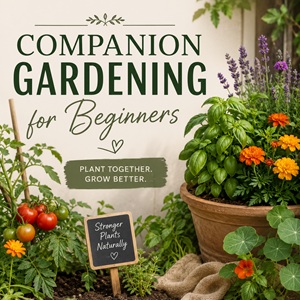
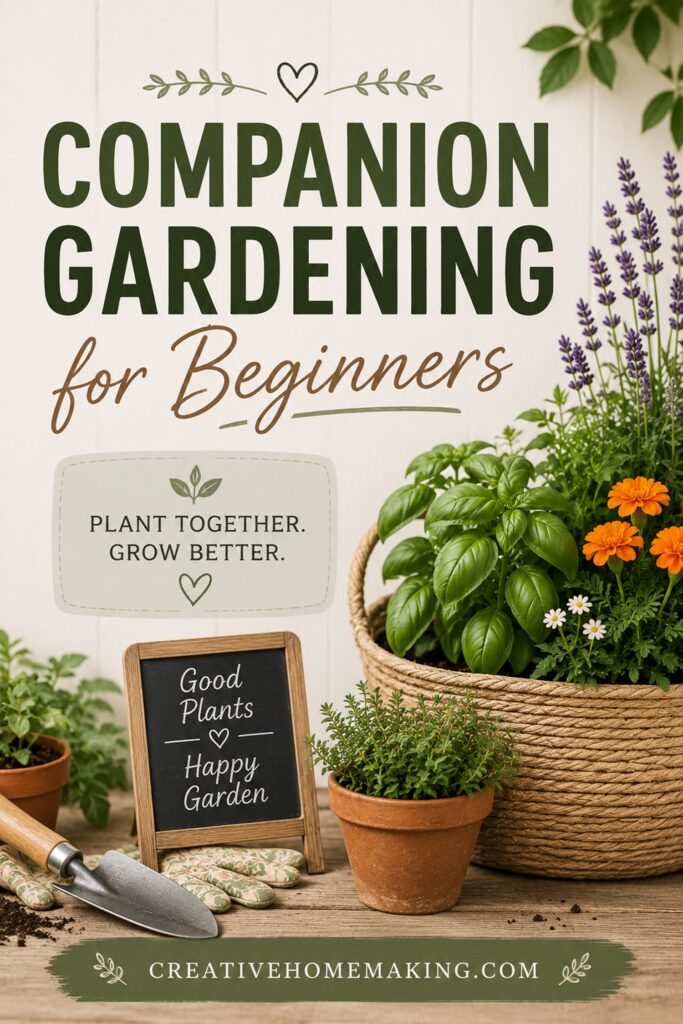
Companion gardening is one of the easiest ways to grow a healthier, more productive garden naturally.
By planting the right flowers, herbs, fruits, and vegetables near each other, you can improve pollination, reduce pests, save space, and help plants thrive together.
If you’re new to gardening, don’t worry—companion planting doesn’t need to be complicated. A few smart plant pairings can make a big difference.
This guide to companion gardening for beginners will explain how it works and link you to the best companion planting ideas for flowers, herbs, vegetables, and berries.
If you’re ready to go beyond the basics, check out my complete Companion Planting Guide to discover which vegetables, herbs, and flowers grow well together — and which combinations to avoid for a healthier, more productive garden.
Want to try making your own jelly at home?
Get my free guide with 8 easy, beginner-friendly jelly recipes you can confidently make.
What Is Companion Gardening?
Companion gardening means placing plants together that benefit one another.
Examples include:
- Flowers that attract pollinators near vegetables
- Herbs that repel pests
- Tall plants that provide shade or support
- Root crops paired with shallow-rooted plants
- Plants that improve soil health nearby
It’s a simple, natural way to create a balanced garden.
Benefits of Companion Gardening
Better Pollination
Flowers bring bees, butterflies, and hummingbirds to your garden.
Fewer Pests
Some herbs and flowers naturally discourage insects.
Better Harvests
Healthy neighboring plants can improve growth and yields.
Smarter Use of Space
Combine upright, spreading, shallow-rooted, and deep-rooted plants.
More Beautiful Gardens
Companion gardens often look lush, colorful, and full of life.
Easy Companion Gardening Rules for Beginners
Pair Flowers With Vegetables
Flowers help attract pollinators and beneficial insects.
Great choices:
- Marigolds
- Nasturtiums
- Zinnias
- Bee balm
- Lavender
Related post: Best Flowers to Plant With Vegetables for a Thriving Garden
Mix Herbs Into Beds
Herbs can repel pests and attract pollinators.
Try:
- Chives
- Mint (in pots)
- Basil
- Lemon balm
Related post: Best Herbs to Plant Together (Easy Companion Planting Guide)
Give Plants Space
Even friendly companions need airflow and sunlight.
Avoid Heavy Competition
Don’t crowd plants with similar root systems or growth habits.
Best Vegetable Companion Planting Ideas
Use these beginner-friendly combinations:
Tomatoes
Pair with:
- Basil
- Marigolds
- Chives
Related Post: The Best Companion Plants for Tomatoes: Boost Growth and Flavor in Your Garden
Cucumbers
Pair with:
- Nasturtiums
- Radishes
- Marigolds
Related Post: Top 5 Companion Plants for Thriving Cucumbers!
Zucchini
Pair with:
- Nasturtiums
- Marigolds
- Radishes
Related Post: Zucchini Success: Best Companion Plants for Optimal Growth
Potatoes
Pair with:
- Beans
- Marigolds
- Horseradish
Related Post: The Best Companion Plants for Potatoes: Enhance Growth and Flavor
Peas
Pair with:
- Carrots
- Radishes
- Lettuce
Related Post: Boost Your Pea Harvest: Essential Companion Plants for Success
Carrots
Pair with:
- Onions
- Peas
- Chives
Related Post: Companion Plants for Carrots: Boost Your Garden’s Growth and Flavor
Onions
Pair with:
- Carrots
- Beets
- Lettuce
Related Post: Companion Plants for Onions: Boosting Growth and Flavor in Your Garden
Watermelon
Pair with:
- Nasturtiums
- Marigolds
- Radishes
Related Post: Companion Plants for Watermelon
Best Berry & Fruit Companion Plants
Strawberries
Pair with:
- Borage
- Lettuce
- Chives
Related Post: Best Companion Plants for Strawberries (Grow More, Healthier Berries)
Blueberries
Pair with:
- Azaleas
- Rhododendrons
- Lingonberries
Related Post: Best Companion Plants for Blueberries (and What to Avoid)
Raspberries
Pair with:
- Garlic
- Chives
- Yarrow
Related Post: Companion Plants for Raspberries to Boost Growth and Keep Pests Away
Best Flower Companion Planting Ideas
Roses
Pair with:
- Lavender
- Catmint
- Geraniums
Related Post: Best Companion Plants for Roses: Boost Growth and Beauty in Your Garden
Peonies
Pair with:
- Salvia
- Catmint
- Roses
Related Post: Best Companion Plants for Peonies to Brighten Your Garden Naturally
Lilacs
Pair with:
- Daffodils
- Daylilies
- Catmint
Related Post: Best Companion Plants for Lilacs (What Grows Well Together)
Daffodils
Pair with:
- Tulips
- Hyacinths
- Ground covers
Related Post: Best Companion Plants for Daffodils: Enhance Your Garden’s Beauty
Lavender
Pair with:
- Roses
- Salvia
- Echinacea
Related Post: The Best Companion Plants for Lavender (What to Plant & What to Avoid)
Begonias
Pair with:
- Ferns
- Coleus
- Impatiens
Related Post: Best Companion Plants for Begonias to Brighten Your Garden Together
Azaleas
Pair with:
- Hostas
- Ferns
- Hydrangeas
Related Post: Best Companion Plants for Azaleas to Brighten Your Garden Naturally
Clematis
Pair with:
- Roses
- Lavender
- Low-growing perennials
Related Post: Best Companion Plants for Clematis to Boost Growth and Beauty
Best Herb Companion Gardening Ideas
Bee Balm
Pair with:
- Herbs
- Tomatoes
- Pollinator flowers
See:
Mint
Pair with:
- Cabbage family crops
- Tomatoes (nearby in pots)
- Pollinator flowers
Related Post: Grow Mint with These Perfect Companion Plants for a Thriving Herb Garden
Chives
Pair with:
- Carrots
- Roses
- Strawberries
Related Post: Companion Plants for Chives to Boost Your Garden’s Health and Flavor
Best Beginner Companion Garden Layout Ideas
Vegetable Bed
Tomatoes + basil + marigolds
Berry Bed
Strawberries + chives + borage
Cottage Garden
Peonies + roses + lavender + catmint
Pollinator Garden
Bee balm + zinnias + salvia + lavender
Common Beginner Mistakes
Planting Too Close
Crowding reduces airflow and growth.
Ignoring Sun Needs
Match plants with similar sunlight needs.
Mixing Aggressive Spreaders
Mint should stay in pots.
Forgetting Water Needs
Some plants like moist soil, others prefer dry.
More Helpful Gardening Posts
- Container Gardening for Beginners
- Best Flowers for Butterflies
- Flowers That Attract Hummingbirds Fast
- Cottage Garden Flowers That Bloom All Summer
Companion gardening for beginners is about working with nature instead of against it.
Start simple with classic combinations like tomatoes and basil, cucumbers and nasturtiums, or roses and lavender.
Over time, your garden becomes healthier, more productive, and more beautiful with every season.
Follow my companion planting board on Pinterest.