This post may contain affiliate links.
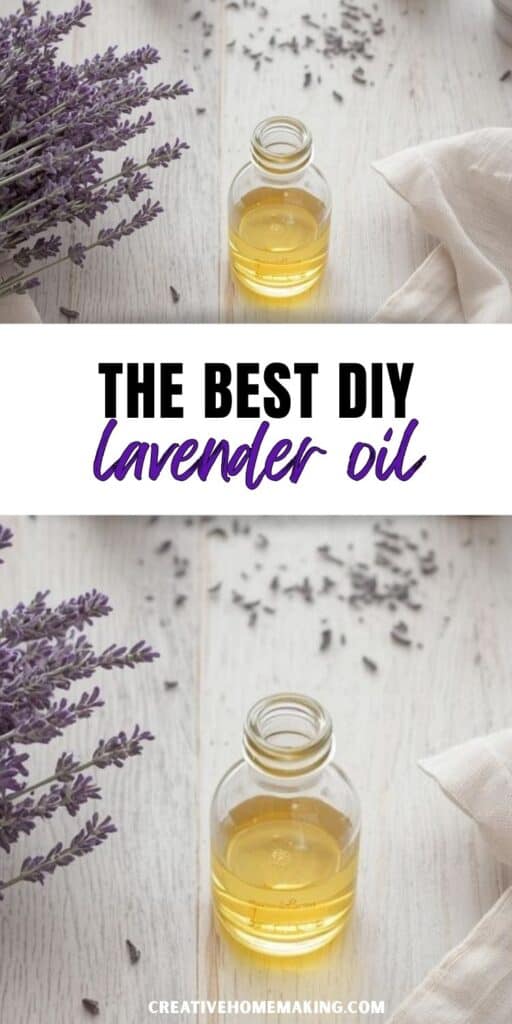
If you love lavender, making your own lavender oil is one of the easiest and most rewarding projects you can try.
It’s simple, affordable, and gives you a beautiful, natural oil you can use for skincare, relaxation, and even around your home.
And if you’re already growing lavender, this is a perfect way to use your harvest.
What Is Lavender Oil?
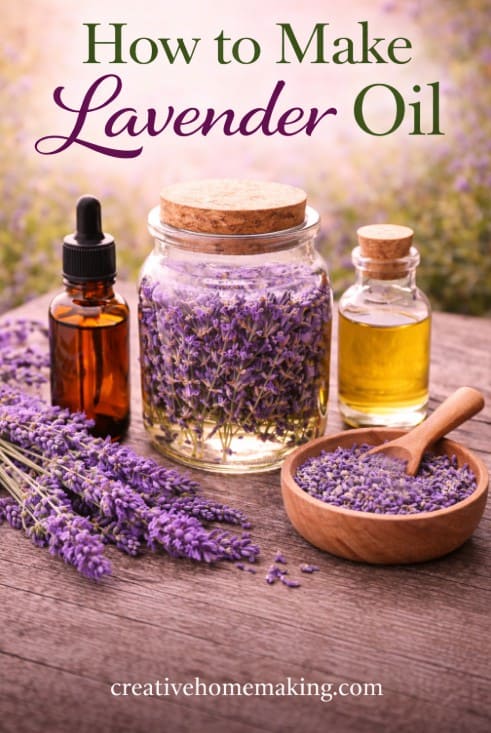
Lavender oil is made by infusing lavender flowers in a carrier oil, allowing the natural fragrance and beneficial properties to transfer into the oil.
It’s known for being:
Want to try making your own jelly at home?
Get my free guide with 8 easy, beginner-friendly jelly recipes you can confidently make.
- Calming and relaxing
- Gentle on the skin
- Lightly floral and soothing
How Do You Make Lavender Oil at Home?
To make lavender oil, place dried lavender flowers in a jar, cover with a carrier oil, and let it infuse in a warm place for 2–4 weeks. Strain the oil and store it in a dark bottle for use.
What You’ll Need
To make lavender oil at home, you only need a few simple ingredients:
- Dried lavender flowers
- Carrier oil (olive oil, almond oil, or jojoba oil)
- A glass jar with a lid
- Cheesecloth or fine strainer
- A dark glass bottle for storage
If you’re using fresh lavender, you’ll want to dry it first so excess moisture doesn’t spoil the oil.
How to Make Lavender Oil
Step 1: Prepare the Lavender
Lightly crush your dried lavender flowers to release their fragrance.
Step 2: Add to a Jar
Place the lavender into a clean, dry glass jar.
Step 3: Add Carrier Oil
Pour your carrier oil over the lavender until it’s completely covered.
Step 4: Let It Infuse
Seal the jar and place it in a warm, sunny spot for 2–4 weeks.
Shake gently every few days.
Step 5: Strain the Oil
After the infusion period, strain the oil using a cheesecloth or fine strainer.
Step 6: Store
Pour the finished oil into a dark glass bottle and store in a cool, dry place.
Choosing the Best Lavender
Not all lavender is the same—some varieties are better for oil than others.
English lavender is the most commonly used for oil because of its sweet, floral scent.
If you’re unsure which type you have, I share a simple guide to the different types of lavender and how to choose the right one.
Tips for the Best Results
- Always use fully dried lavender
- Keep moisture out of your jar
- Store oil away from heat and sunlight
- Use clean, dry tools
A properly stored lavender oil can last up to 6 months or longer.
Ways to Use Lavender Oil
Lavender oil is incredibly versatile and easy to use:
Skincare
- Mix with a carrier oil as a moisturizer
- Add to baths for a relaxing soak
- Use in DIY scrubs and lotions
Relaxation
- Add a few drops to a diffuser
- Use before bed to promote sleep
- Add to a warm bath
Home Uses
- Linen sprays
- Sachets
- Homemade candles
If you enjoy making things with lavender, I’ve also shared a few simple lavender recipes you can try at home.
Harvesting and Preparing Lavender
If you’re using lavender from your garden, timing matters.
Harvest when flowers are just beginning to open, and dry them completely before using. I walk through that step-by-step in my guides on harvesting lavender and drying lavender so you get the best results.
Making lavender oil at home is simple, relaxing, and a great way to use your lavender in a meaningful way.
With just a few ingredients and a little patience, you’ll have a beautiful, fragrant oil you can use for skincare, relaxation, and everyday living.
And once you start making it yourself, it’s hard to go back to store-bought.
Follow my lavender board on Pinterest.