This post may contain affiliate links.
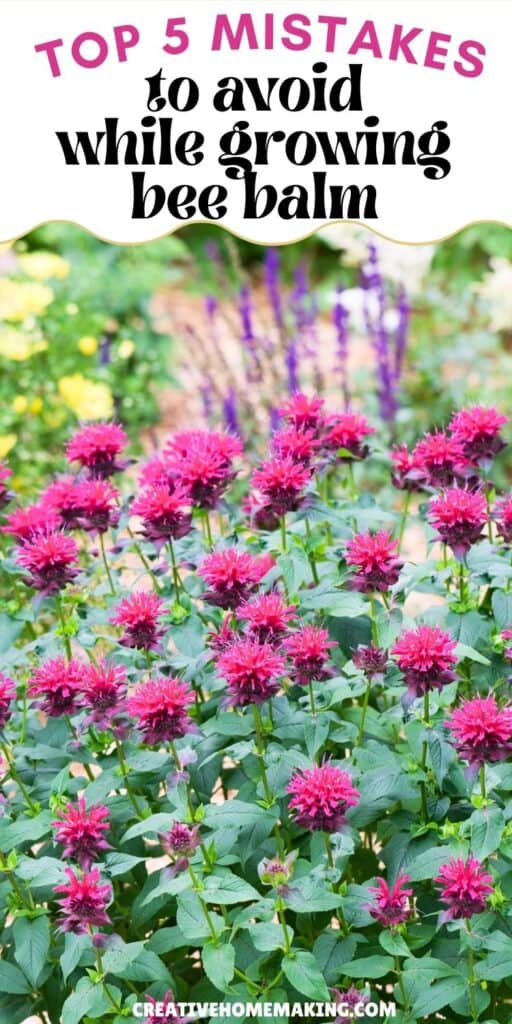
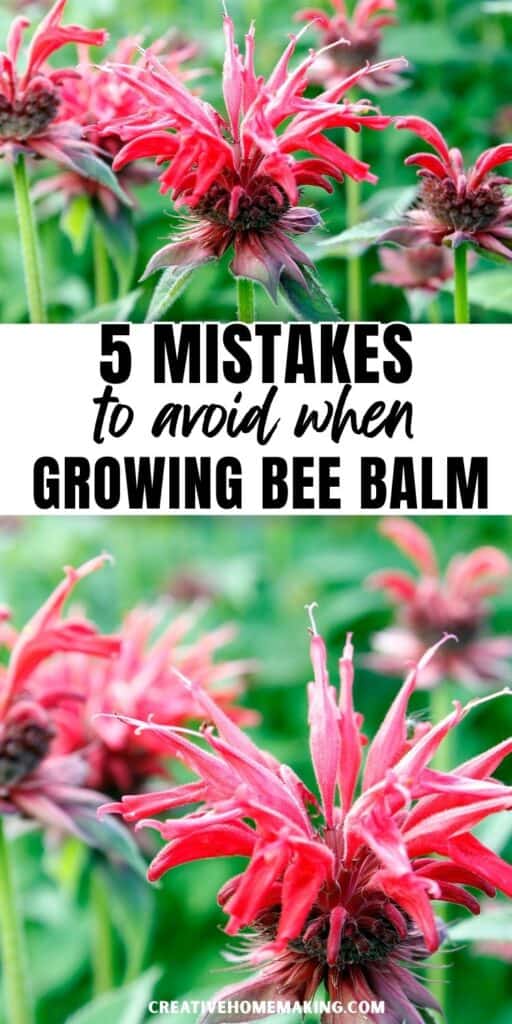
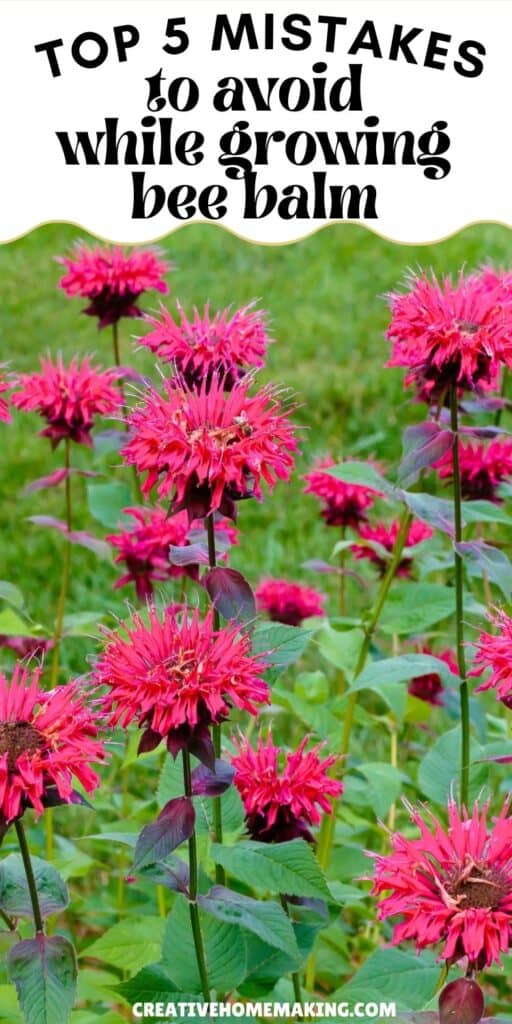
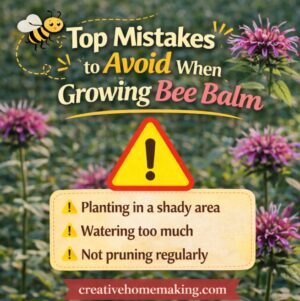
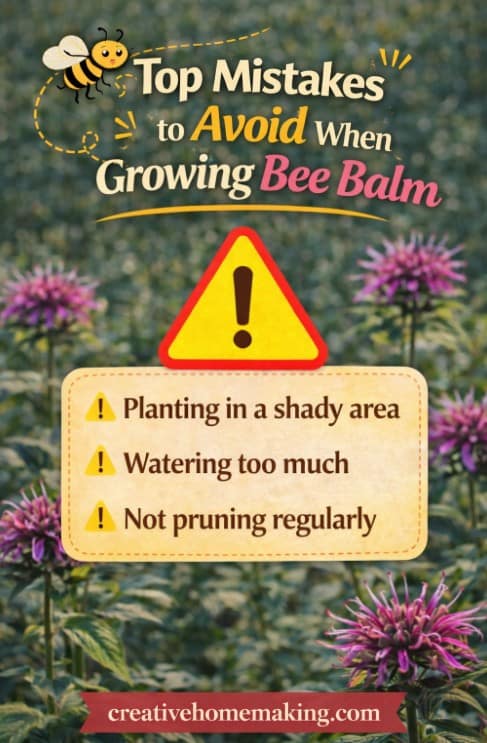
Bee balm is an easy, beautiful plant to grow—but a few common mistakes can lead to weak growth, fewer blooms, or disease problems.
The good news? Most of these issues are simple to fix once you know what to look for.
If your bee balm isn’t thriving, one of these common mistakes is usually the reason.
Looking for more tips? Visit my full Bee Balm Recipes, Uses & Growing Guide.
Planting in Poorly Drained Soil
Bee balm does not like soggy soil.
Want to try making your own jelly at home?
Get my free guide with 8 easy, beginner-friendly jelly recipes you can confidently make.
If roots sit in water too long, they can rot and weaken the plant.
Fix:
Avoid low or wet areas
Not Enough Sunlight
Bee balm needs at least 6 hours of sunlight to bloom well.
Too much shade can lead to:
- Leggy growth
- Fewer flowers
Fix:
- Plant in full sun
- Trim nearby plants blocking light
Overcrowding Plants
Bee balm spreads quickly and can become crowded.
This leads to:
- Poor airflow
- Higher risk of disease
- Fewer blooms
Fix:
- Space plants 18–24 inches apart
- Divide every few years
Learn more: How to Grow Bee Balm from Cuttings
Ignoring Powdery Mildew
Bee balm is prone to powdery mildew, especially in humid or crowded conditions.
Signs:
- White powder on leaves
- Weak or damaged growth
Fix:
- Improve airflow
- Avoid overhead watering
- Remove affected leaves early
Overfertilizing
Too much fertilizer—especially nitrogen—causes lots of leaves but fewer flowers.
Fix:
- Use a balanced fertilizer
- Apply once in early spring
- Avoid overfeeding
Pruning at the Wrong Time
Incorrect pruning can reduce blooms.
Fix:
- Deadhead regularly during the season
- Cut back in early spring
- Avoid heavy fall pruning
Learn more: How to Deadhead Bee Balm
Also helpful: Best Time to Cut Back Bee Balm
Quick Fix Checklist
If your bee balm isn’t thriving, check:
- Soil drains well
- Gets 6+ hours of sun
- Not overcrowded
- No mildew present
- Fertilizer used lightly
- Pruned at the right time
Don’t Forget—You Can Use Bee Balm Too
Once your plants are healthy and blooming:
How to Harvest and Dry Bee Balm
How to Make Bee Balm Tea
To avoid this, plant bee balm in soil that drains well. You can improve drainage by mixing sand or organic matter like compost into heavy clay soils. If your garden is low or soggy, consider raised beds.
FAQs
Why is my bee balm growing but not blooming?
Usually due to too little sun or too much nitrogen.
How do I keep bee balm healthy?
Good sunlight, spacing, and airflow are key.
Does bee balm need a lot of fertilizer?
No—too much can actually reduce blooms.
Follow my Bee Balm board on Pinterest.