This post may contain affiliate links.
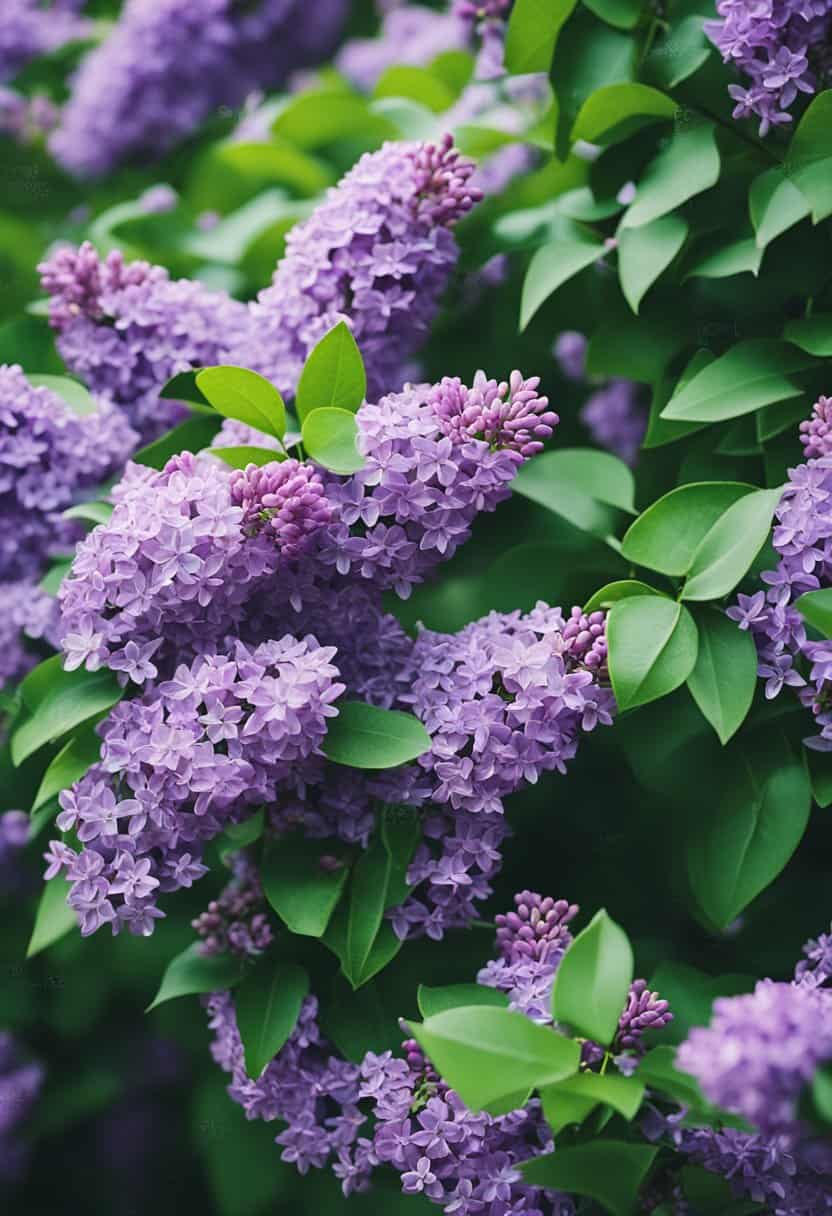
Lilacs are beloved for their fragrant spring flowers, so it can be frustrating when a healthy shrub refuses to bloom.
The good news is that lilacs usually skip blooming for a specific reason—and once you identify it, the problem can often be corrected.
The most common causes are lack of sunlight, improper pruning, nutrient imbalance, weather damage, or simply a young plant that needs more time.
Love lilacs? Browse all my Lilac Recipes, DIY & Growing Guide here.

Not Enough Sunlight
Lilacs bloom best in full sun.
Want to try making your own jelly at home?
Get my free guide with 8 easy, beginner-friendly jelly recipes you can confidently make.
They need at least:
- 6 hours of direct sunlight daily
- Good airflow around the plant
Too much shade often causes leafy growth with few or no flowers.
Fix:
- Trim nearby trees
- Remove shading shrubs
- Transplant if necessary
Pruned at the Wrong Time
Lilacs form next year’s flower buds shortly after blooming.
If you prune in late summer, fall, or winter, you may remove those buds.
Fix:
Prune immediately after flowering.
Plant Is Too Young
New lilacs often need time to mature.
Many bloom in:
- 2 to 5 years after planting
Some take longer depending on variety and growing conditions.
Fix:
Be patient and focus on healthy growth.Read next: How to Deadhead Lilacs for Healthier Blooms
Too Much Nitrogen
Excess nitrogen creates lots of leaves but fewer flowers.
This often happens when lilacs are near heavily fertilized lawns.
Fix:
- Avoid high-nitrogen fertilizer
- Use balanced fertilizer if needed
- Add compost instead
Poor Soil Conditions
Lilacs prefer:
- Well-drained soil
- Neutral to slightly alkaline soil
- Moderate fertility
Waterlogged or highly acidic soil can reduce blooming.
Fix:
Improve drainage and test soil if problems continue.
Weather Damage
Late spring freezes can kill flower buds before they open.
Warm winter followed by sudden cold can also damage buds.
Fix:
Unfortunately, weather damage usually means waiting until next year.
Choose sheltered planting sites if possible.
Overcrowded Old Shrubs
Very old neglected lilacs can become woody and crowded, reducing blooms.
Fix:
Rejuvenation prune gradually over 2 to 3 years by removing oldest stems at ground level.
Do not remove everything at once.
Water Stress
Drought during bud formation can reduce next year’s flowers.
Fix:
Water deeply during dry spells.
Read next: Watering Lilacs: How Much & How Often
How to Tell Flower Buds from Leaf Buds
Flower Buds
- Larger
- Rounder
- Usually near branch tips
Leaf Buds
- Smaller
- Narrower
- Along stems
Knowing the difference helps you prune carefully.
Quick Bloom Recovery Checklist
✔ Full sun
✔ Prune after blooming only
✔ Avoid excess nitrogen
✔ Water during drought
✔ Good drainage
✔ Patience with young plants
More Lilac Growing Guides
You may also enjoy:
- How to Grow Lilacs in Containers
- Companion Plants for Lilacs
- How to Extend Lilac Bloom Time
- Creating a Lilac Hedge
- Best Soil for Lilacs
Browse all my Lilac Recipes, DIY & Growing Guide here.
More Lilac Growing Guides
You may also enjoy:
- How to Grow Lilacs in Containers
- Companion Plants for Lilacs
- How to Extend Lilac Bloom Time
- Creating a Lilac Hedge
- Best Soil for Lilacs
Browse all my Lilac Recipes, DIY & Growing Guide here.
If your lilacs are not blooming, don’t give up.
Most bloom problems have simple causes, and a few smart adjustments can often bring back those fragrant spring flowers next season.
Follow my lilacs board on Pinterest.