This post may contain affiliate links.
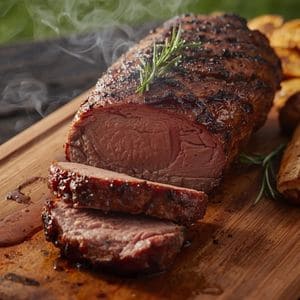
You can make a tender, juicy smoked pork tenderloin at home without fuss, and it only takes a few simple steps to get big flavor.
Use a quick brine or a bold dry rub, smoke to an internal temp of about 145°F, then rest the meat for a sliceable, juicy result.

Follow a clear smoking method, pick a mild wood like apple or hickory, and watch the clock and thermometer instead of guessing.
You’ll get tips on prep, smoking temps, glazing options, and how to serve or store leftovers so your meal stays great the next day.
Want to try making your own jelly at home?
Get my free guide with 8 easy, beginner-friendly jelly recipes you can confidently make.
How to Make Smoked Pork Tenderloin
You’ll pick the right cut, set up the right gear, and follow a clear smoking routine to get juicy, flavorful results. Pay attention to size, seasoning, temperature, and resting time.
| You Might Also Like | |
| Slow Cooker Pot Roast Slow-cooked, tender pot roast perfection |
|
| Slow Cooker Beef Tenderloin Juicy oven-roasted beef tenderloin |
|
| Slow Cooker Pork Tenderloin Juicy slow-cooked pork tenderloin dinner |
|
Choosing the Right Pork Tenderloin
Choose tenderloins that are uniform in thickness and about 1 to 1.5 pounds each. Smaller tenderloins smoke more quickly and stay tender; avoid ones with large fat caps or thick silver skin.
Trim thin layers of fat and remove any silver skin so the rub flavors penetrate evenly. If pieces vary in thickness, pound them lightly with a meat mallet or butterfly and fold to even thickness.
Season within an hour of smoking for best flavor — use a simple dry rub with brown sugar, salt, black pepper, garlic powder, and paprika, or a marinade with olive oil, honey, and thyme. Pat the meat dry before applying the rub so it forms a good crust.
Essential Equipment and Wood Types
You need a smoker, a reliable instant-read thermometer, and a wire rack or smoker grate. Use a charcoal or pellet smoker for steady low heat; gas grills with a smoker box also work.
Bring a drip pan to catch juices and keep moisture in the smoke chamber. Choose fruitwoods like apple or cherry for mild, sweet smoke that complements pork.
For stronger smoke, use hickory sparingly — it can overpower lean tenderloin. Soak wood chips only if using a charcoal grill; for pellet smokers, use dry pellets.
Keep a spray bottle of apple juice or cider to mist during longer cooks and prevent drying.
Smoked Pork Tenderloin
Ingredients
- Whole beef tenderloin (4–6 lbs, trimmed and tied)
- Olive oil or Dijon mustard (to act as a binder)
- 2 tablespoons Kosher salt
- 1 tablespoon garlic powder
- 2 tablespoons coarse ground black pepper
- 1 tablespoon onion powder
- 1 teaspoon dried thyme or rosemary
- Wood chunks or pellets (Oak, Hickory, or Cherry work best)
Instructions
Slice into thick medallions and serve immediately.
Preheat your smoker to 225°F (107°C) using your preferred hardwood.
Trim any excess fat and the silver skin from the beef tenderloin if your butcher hasn’t already done so.
Lightly coat the entire surface of the meat with a thin layer of olive oil or Dijon mustard to help the seasoning adhere.
In a small bowl, mix together the salt, pepper, garlic powder, onion powder, and dried herbs.
Generously apply the dry rub to all sides of the tenderloin, pressing it firmly into the meat.
Place the tenderloin on the smoker grates and insert an internal meat thermometer into the thickest part of the roast.
Close the lid and smoke the meat until it reaches an internal temperature of 120°F to 125°F for medium-rare.
Remove the tenderloin from the smoker once it hits your target temperature.
Optional: For a better crust, sear the tenderloin in a hot cast-iron skillet with a bit of butter or on a high-heat grill for about 1–2 minutes per side until browned.
Transfer the meat to a cutting board and tent it loosely with aluminum foil.
Let the tenderloin rest for at least 15 to 20 minutes before slicing to allow the juices to redistribute throughout the meat.
Serving and Storing Smoked Pork Tenderloin
Serve slices hot or chilled, and pair the pork with bright, starchy, or acidic sides to balance the rich smoke. Slice against the grain, rest before cutting, and cool leftovers quickly for safe storage.
Flavorful Side Dish Pairings
Choose sides that cut through smoke and add texture. Try roasted sweet potatoes or a simple potato salad for starch and comfort. The natural sweetness of roasted carrots or apple compote works well with pork’s mild flavor.
Add a sharp element like a vinegar-based coleslaw or pickled red onions to brighten each bite.
For greens, sautéed spinach with garlic or a crisp arugula salad dressed in lemon vinaigrette gives freshness. If you feed a crowd, offer crusty bread or dinner rolls to soak up juices.
Finish with a sauce on the side: mustard-based, apple chutney, or a thin barbecue sauce. Keep sauces optional so guests can control salt and sweetness.
Proper Carving Techniques
Let the tenderloin rest 5–10 minutes after smoking; this locks in juices and makes carving neater. Use a sharp slicing knife and a steady cutting board to avoid ragged edges.
Find the grain and cut against it into 1/4–1/2 inch slices for tender bites. If the tenderloin is uneven, trim thinner ends or butterfly thicker sections first so slices cook and look consistent.
For presentation, fan slices on a warm platter and spoon any resting juices over the meat.
If you need smaller portions, cut slices in half crosswise. For sandwiches, slice slightly thicker so the meat stays moist when dressed.
Storage and Leftover Ideas
Cool leftover pork to room temperature no longer than two hours, then refrigerate in an airtight container.
Stored properly, it will keep 3–4 days in the fridge or up to 3 months in the freezer if wrapped tightly.
Reheat gently to avoid drying: warm slices in a low oven (250°F / 120°C) covered with foil, or briefly in a skillet with a splash of broth. Use cold sliced pork in salads, tacos, or grain bowls.
Chop leftover pork and mix with barbecue sauce for sliders, or dice and add to omelets and fried rice for quick meals.
Follow my Tenderloin board on Pinterest.