This post may contain affiliate links.
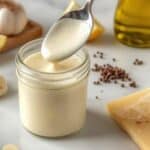
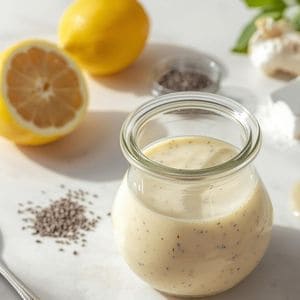
Poppy seed dressing is a sweet and tangy salad topping made with simple ingredients like vinegar, sugar, and poppy seeds. It adds a unique crunch and flavor that brightens up any salad you make.
Here’s the best part: you can make it in just minutes with ingredients you probably already have.
You might have tasted it at a restaurant or in a store, but making your own poppy seed dressing is easy and lets you control the sweetness and texture. It pairs well with fresh greens, fruit salads, and even grilled chicken.
If you love making dressing from scratch, you can browse all of my homemade salad dressing recipes.
And if you enjoy creamy homemade dressings like my Greek Yogurt Ranch or Creamy Feta Dressing, this poppy seed dressing is another easy recipe you’ll want to keep on hand.
Want to try making your own jelly at home?
Get my free guide with 8 easy, beginner-friendly jelly recipes you can confidently make.

You might have tasted it at a restaurant or picked up a bottle at the store, but making your own poppy seed dressing is quick and lets you control the sweetness and texture.
Keep reading to learn how to make it and the best ways to serve it.
Poppy Seed Dressing Essentials
This dressing is creamy with a sweet and tangy taste. You will learn what it is, the ingredients you need, how to make it, and what it tastes like.
What makes it special?
It’s simple — but surprisingly versatile.
If you love experimenting with bold flavors, you might also enjoy this Easy Ginger Miso Dressing for something savory and vibrant.
Poppy Seed Salad Dressing
- 1/2 cup mayonnaise
- 1/4 cup plain Greek yogurt
- 3 tablespoons honey
- 2 tablespoons apple cider vinegar (or white vinegar)
- 1 tablespoon poppy seeds
- Salt and pepper to taste
- Milk or buttermilk (optional, to thin the dressing)
Start by combining half a cup of mayonnaise with a quarter cup of plain Greek yogurt in a bowl. Add three tablespoons of honey and two tablespoons of apple cider vinegar or white vinegar for a nice tang.
Stir in a tablespoon of poppy seeds and a pinch of salt and pepper to taste. Whisk everything together until smooth and creamy.
If you prefer a thinner consistency, you can add a little bit of milk or buttermilk until it reaches your desired thickness.
Chill the dressing in the refrigerator for at least 30 minutes before serving to allow the flavors to meld. Enjoy it over salads, as a dip, or even drizzled on grilled chicken!
If you enjoy creamy dressings with a Mediterranean twist, you might also like my Creamy Feta Salad Dressing or Mediterranean Salad Dressing for a more savory option.
Flavor Profile and Texture
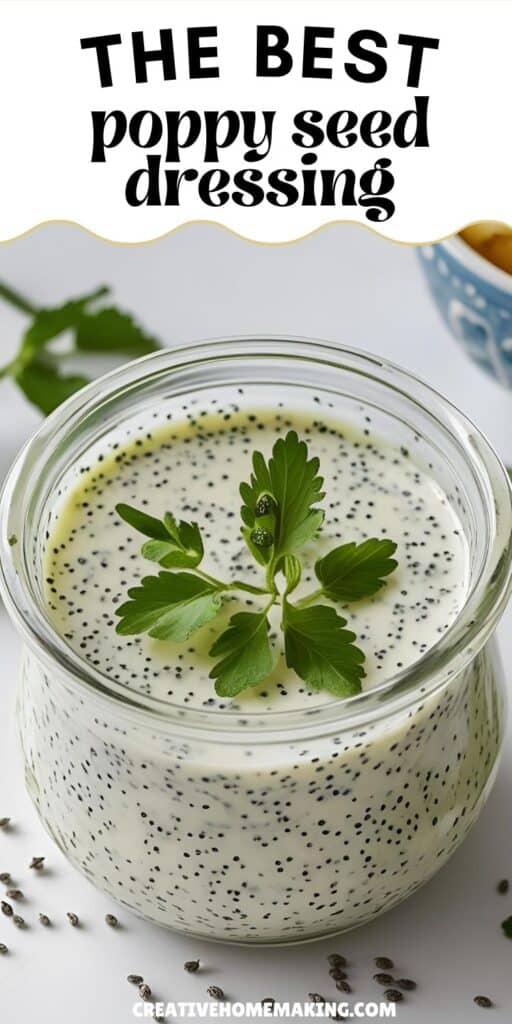
You should expect a creamy dressing with a sweet and slightly tangy flavor. The sweetness comes from sugar or honey, while the vinegar adds a mild acidity.
The poppy seeds give a light crunch with each bite. The texture is smooth but with tiny seeds all through it.
This combination makes it pleasant on both fruity and leafy salads. It’s also good for dipping fresh vegetables.
For a lighter, citrus-forward option, try my Lemon Vinaigrette Dressing as a refreshing alternative.
Creative Uses and Tips
Poppy seed dressing is more than just a salad topping. You can pair it with different foods, store it properly, choose between homemade or store-bought, and even change its flavor to match your taste.
Best Salads to Pair With Poppy Seed Dressing
Poppy seed dressing works well with fresh, crunchy salads. It pairs nicely with spinach, mixed greens, or kale. Adding fruits like strawberries, apples, or mandarin oranges brings out its sweet flavor.
Try tossing it with a salad that has nuts like almonds or pecans. Cheese such as feta or goat cheese adds a creamy touch. The dressing’s sweetness balances the tang of vinegar or lemon in the salad.
If you prefer a slightly savory-sweet combination, honey mustard dressing also pairs well with fruit and nut salads.
For a quick meal, use it on a simple garden salad with carrots, cucumbers, and bell peppers. It adds flavor without overpowering the vegetables.
Storage and Shelf Life
If you make poppy seed dressing at home, store it in an airtight container in the fridge. It stays fresh for about 1 to 2 weeks.
Store-bought dressings often last longer because of preservatives. Check the label for the expiration date and use it within that time.
Always shake the dressing well before use because the ingredients may separate over time. If it smells or looks strange, it’s best to throw it out.
Freezing is not recommended, as it can change the texture and flavor.
Homemade vs. Store-Bought
Homemade poppy seed dressing lets you adjust sweetness, acidity, and texture. You can control ingredients and avoid preservatives or extra sugar.
Store-bought dressing is convenient, ready to use, and usually shelf-stable. However, it may have more salt, sugar, or artificial flavors.
If you have time, try making your own with simple ingredients like vinegar, honey, mayonnaise, and poppy seeds.
Keep some store-bought dressing on hand for quick meals or when you run out of homemade.
Variations and Customization Ideas
You can customize poppy seed dressing by changing its sweetness or tanginess. Use maple syrup, agave, or brown sugar instead of honey for different flavors.
Try adding fresh herbs like dill or basil for a new taste. A small amount of Dijon mustard adds a gentle kick.
If you enjoy experimenting with flavor combinations, you may also love my Mediterranean Salad Dressing or Avocado Lime Dressing for different flavor profiles within your salad rotation.
For a lighter version, swap mayonnaise with Greek yogurt. Use apple cider vinegar, white vinegar, or lemon juice to change the acidity.
If you like spicy food, add a pinch of cayenne pepper or a splash of hot sauce. This adds heat without losing the dressing’s sweetness.
Follow my Salad Dressings board on Pinterest.