This post may contain affiliate links.
You want big, healthy tomatoes without chemicals, and the right natural fertilizer makes that simple.
Compost, worm castings, fish emulsion, and homemade mixes like coffee grounds or eggshell tea give your plants the nutrients they need to grow strong and produce more fruit.
This post walks you through the best natural options, how they work, and easy ways to use them in your garden.
By the end, you’ll know which fertilizers match your soil and how to feed your tomatoes at every growth stage so you get tasty, reliable harvests.
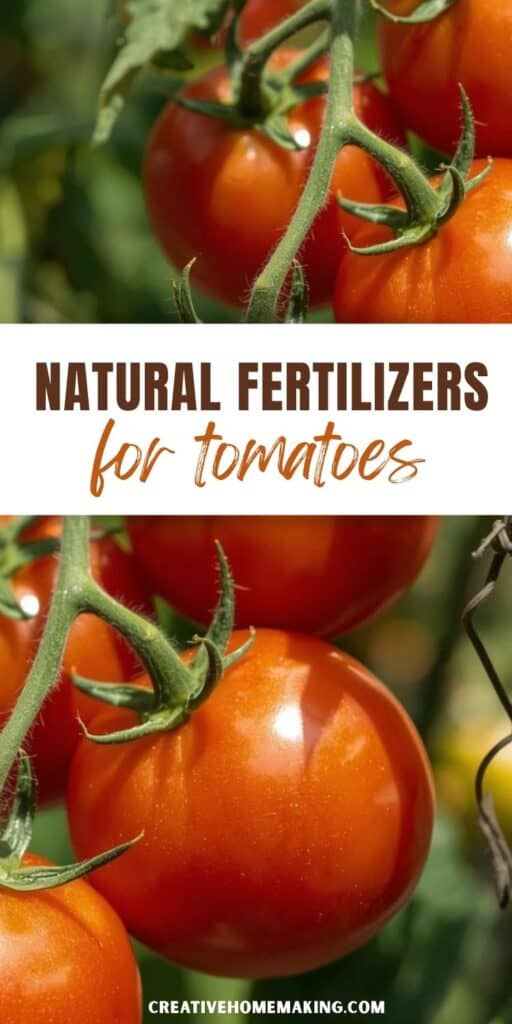
Types of Natural Fertilizers for Tomatoes
You’ll want fertilizers that feed the soil, add key nutrients, and help prevent common tomato problems like blossom-end rot.
Want to try making your own jelly at home?
Get my free guide with 8 easy, beginner-friendly jelly recipes you can confidently make.
The three options below give nitrogen, phosphorus, potassium, and beneficial microbes in different ways.
Compost
Compost improves soil structure and supplies a broad mix of nutrients slowly over the season.
Use fully broken-down compost mixed into the top 6–8 inches of soil or worked into containers before planting.
Apply a 1–2 inch layer as mulch around established plants to keep moisture steady and feed microbes.
Compost is low-risk: it won’t burn roots and supports earthworms and beneficial bacteria that help tomatoes take up nutrients.
Test your compost for heat and maturity; immature compost can tie up nitrogen. Aim for a balanced, dark, crumbly mix from kitchen scraps, yard waste, and aged plant material.
Worm Castings
Worm castings are concentrated, nutrient-rich, and safe to use at any stage of growth. Mix a handful into transplant holes, sprinkle a thin top dressing around plants, or brew a mild worm-casting tea for foliar feed and quick nutrient uptake.
Castings supply available nitrogen, phosphorus, potassium, and trace minerals plus beneficial microbes that improve root health.
They act faster than bulk compost and are great for containers or raised beds where you need a nutrient boost without changing soil texture much.
Manure-Based Fertilizers
Manure adds nitrogen and organic matter but needs careful handling to avoid burning plants or introducing pathogens.
Use well-rotted, composted manure (cow, horse, chicken, or rabbit) only. Work it into soil months before planting or apply as a side dressing after plants are established.
Fresh manure is too strong; it can overheat and damage roots. Poultry manure is high in nitrogen and should be used sparingly.
Consider manure tea for a gentler, soluble feed, and always avoid manure from animals treated with persistent medications if you plan to eat the crop.
How to Use Natural Fertilizers for Healthy Tomato Plants
Use the right amount, apply it where roots can reach, and time feedings to plant stages. Watch plants after feeding and adjust based on leaf color and fruit set.
Application Techniques
Place granular fertilizers like compost or bone meal 2–3 inches below the soil surface and 2–3 inches away from the stem to keep roots healthy and avoid burning the crown.
For side-dressing, dig a shallow trench 6–8 inches from the plant row, add compost or aged manure, and cover lightly so water moves nutrients to roots.
Use liquid feeds such as fish emulsion or seaweed tea as a foliar spray or soil drench. Dilute to label strength; spray leaves early morning or late afternoon to reduce leaf scorch.
When using worm castings, mix into the top 1–3 inches of soil at transplanting and again midseason.
Mulch with compost or well-rotted manure to feed slowly and keep soil moisture steady. Always water after applying any fertilizer to help nutrients move to roots.
Timing and Frequency
Feed seedlings lightly at transplant with a balanced organic starter like compost tea or diluted fish emulsion.
At first fruit set, switch to a bloom-boosting feed higher in phosphorus and potassium, such as bone meal or kelp.
Apply side-dress compost or aged manure every 4–6 weeks during the main growing season. Use liquid feeds every 10–14 days when plants are actively flowering and fruiting for a quicker nutrient lift.
Stop heavy nitrogen feeds once fruit forms to avoid lush foliage without fruit. Reduce or stop fertilizing 2–3 weeks before expected frost to let plants harden off.
Common Mistakes to Avoid
Avoid overfeeding with fresh manure or high-nitrogen fertilizers; this causes lots of leaf growth and few tomatoes. If leaves turn very dark green and plants grow fast without flowers, cut back on nitrogen.
Don’t place fertilizers against the stem or leaves; direct contact can burn tissues.
Always mix granular amendments into the soil or cover them with mulch. Skip feeding during drought stress—water first, then feed after plants recover.
Don’t ignore soil testing. If you repeatedly add the same amendment, you can create nutrient imbalances. Test every 2–3 years and adjust your plan based on results.
Follow my gardening board on Pinterest.