This post may contain affiliate links.
If you want to attract hummingbirds to your yard, bee balm is one of the best flowers you can grow.
With its bright tubular blooms, rich nectar supply, and long summer flowering season, bee balm naturally draws hummingbirds again and again.
Many gardeners are surprised by how quickly hummingbirds find it once the flowers open.
Love bee balm? Browse all my Bee Balm Growing Guides & Garden Tips here.
Why Bee Balm Is So Attractive to Hummingbirds
Hummingbirds are drawn to flowers that offer easy nectar access, bright colors, and repeated blooms.
Want to try making your own jelly at home?
Get my free guide with 8 easy, beginner-friendly jelly recipes you can confidently make.
Bee balm checks every box.
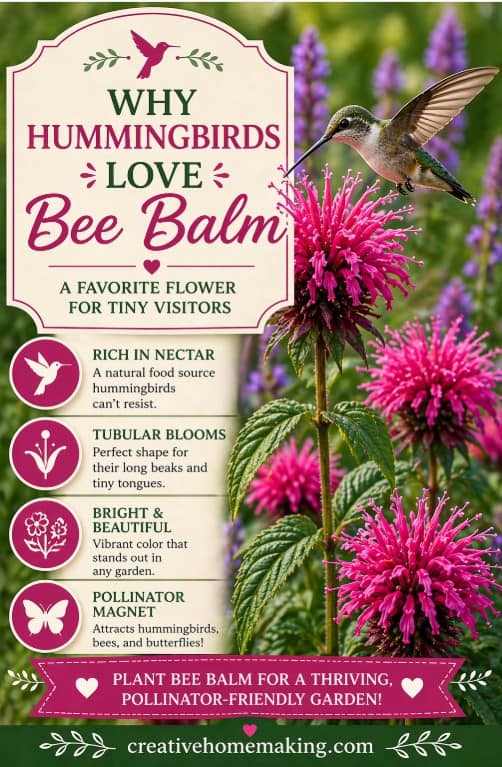
Tubular Flowers Fit Hummingbird Beaks Perfectly
Bee balm flowers have long narrow tubular petals that are ideal for hummingbirds.
Their slender beaks and tongues can easily reach the nectar deep inside.
This gives hummingbirds an efficient food source.
Bright Colors Catch Their Attention
Hummingbirds are especially attracted to:
- Red
- Scarlet
- Pink
- Purple
- Bright magenta
Many bee balm varieties bloom in exactly these colors.
Popular hummingbird favorites include red and scarlet bee balm.
Bee Balm Produces Plenty of Nectar
Hummingbirds need constant energy.
Bee balm provides nectar-rich flowers that help fuel:
- Fast wing movement
- Nesting season
- Migration preparation
- Daily feeding
Long Bloom Season Keeps Them Visiting
Bee balm blooms through much of summer.
That means hummingbirds often return repeatedly once they discover the plant.
Deadheading spent blooms can extend flowering even longer.
Read next: How to Deadhead Bee Balm for More Blooms
Bee Balm Grows in Large Showy Clumps
Large drifts of bee balm are easy for hummingbirds to spot from above.
A big colorful patch works better than one isolated plant.
Planting several together increases visibility.
Best Bee Balm Varieties for Hummingbirds
Look for:
- Scarlet Bee Balm (Monarda didyma)
- Jacob Cline
- Raspberry Wine
- Fireball
- Gardenview Scarlet
Bright reds and pinks are excellent choices.
How to Attract Even More Hummingbirds
Plant in Full Sun
More sun = more blooms.
Provide Water
Use a bird bath, mister, or shallow fountain.
Avoid Pesticides
Protect hummingbirds and insects.
Plant Layers of Nectar Flowers
Combine bee balm with:
- Salvia
- Cardinal flower
- Trumpet vine
- Penstemon
- Columbine
Where to Plant Bee Balm
Best locations:
- Cottage gardens
- Pollinator borders
- Near patios for viewing
- Along fences
- Sunny perennial beds
Common Question: Do Bees Scare Hummingbirds Away?
Usually no.
Bee balm attracts both bees and hummingbirds, and they often feed peacefully together.
More Bee Balm Guides
You may also enjoy:
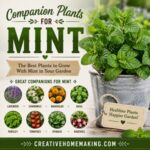
- Best Herbs to Plant with Bee Balm
- Bee Balm Companion Plants
- How to Deadhead Bee Balm
- Best Time to Cut Back Bee Balm
- How to Grow Bee Balm from Cuttings
FAQs
How quickly will hummingbirds find bee balm?
Often very quickly once flowers open, especially during migration season.
Does bee balm bloom all summer?
Many varieties bloom for weeks, especially with deadheading.
Is bee balm perennial?
Yes, many types return each year.
Hummingbirds love bee balm because it offers exactly what they need: bright color, easy nectar access, and long-lasting blooms.
If you plant bee balm, don’t be surprised when hummingbirds become regular summer visitors.
See my bee balm board on Pinterest.