This post may contain affiliate links.
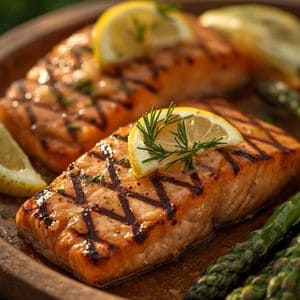
Grilled salmon is simple and fast when you focus on two things: clean hot grill marks and keeping the fish moist.
Use a hot, clean grate and cook skin-side down for most of the time to get crisp skin and flaky, juicy salmon.
You’ll learn a clear step-by-step method for prepping, seasoning, and grilling so you avoid sticking and overcooking. Follow a few easy tips and you’ll turn plain fillets into a weeknight favorite everyone asks for.
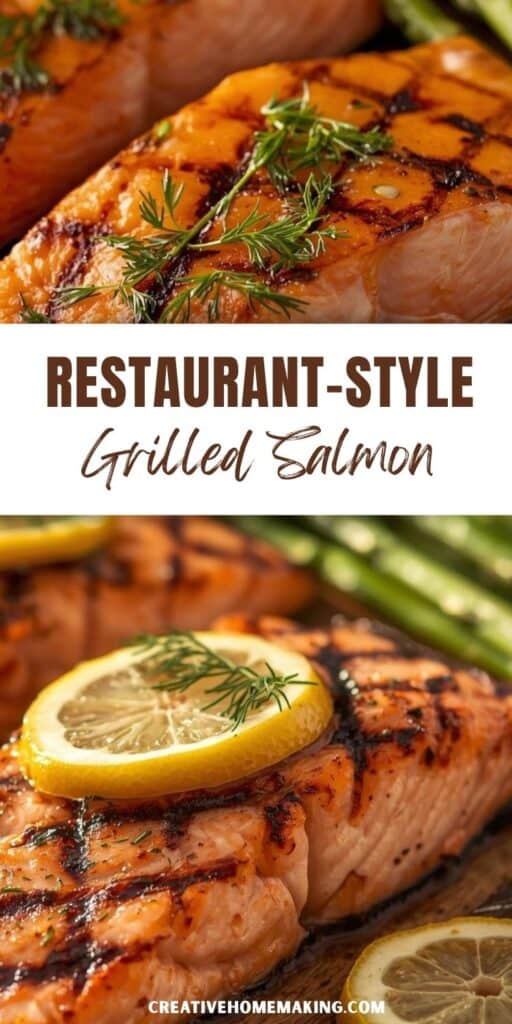
Step-By-Step Guide to Grilling Salmon
You will pick the right fish, get the grill hot and clean, apply seasonings or a simple marinade, and cook to a precise temperature so the salmon stays moist and doesn’t stick.
Choosing Fresh Salmon
Look for fillets with firm flesh and a bright, even color. The skin should be shiny and the flesh should bounce back when you press it lightly.
Want to try making your own jelly at home?
Get my free guide with 8 easy, beginner-friendly jelly recipes you can confidently make.
Buy salmon that smells clean and slightly ocean-like, not fishy. If possible, choose a whole filet with skin on — the skin helps hold the fish together and crisps nicely on the grill.
Prefer thicker pieces that are about 1 to 1.5 inches thick at the thickest part for even cooking. Wild-caught varieties are leaner and flake faster; farmed are fattier and stay moist longer.
If you see brown edges, soft spots, or a strong odor, pick another piece. Refrigerate at 32–38°F and use within 24–48 hours, or freeze if you won’t cook it within two days.
Prepping the Grill
Clean the grates well with a stiff brush to remove old bits that cause sticking. Oil the grates just before cooking by dipping a paper towel in oil and using tongs to rub it over the hot grates.
Set up a two-zone fire on a charcoal grill or use medium-high heat (about 400°F) on a gas grill. Use direct heat for a quick sear and indirect heat if the pieces are thick and need gentler cooking.
Preheat for 10–15 minutes so the grates reach an even temperature. If you’re using wood chips, soak them and add for a mild smokey flavor — cedar planks work well for added aroma.
Keep a spray bottle of water nearby to manage flare-ups. Use a wide spatula to flip the fish once; repeated flipping increases the chance of breaking the fillet.
Seasoning and Marinating Techniques
Pat the salmon dry with paper towels to remove surface moisture. Dry skin helps create a crisp exterior and reduces sticking.
For a simple rub, brush oil on the flesh and sprinkle with salt and pepper. Add lemon zest, garlic powder, or smoked paprika for extra flavor. Use about 1/2 teaspoon salt per pound as a starting point.
If you marinate, keep it short — 15 to 30 minutes is enough for acid-based marinades like lemon or soy. Longer marinating can firm up the flesh and change texture.
For skin-on fillets, season the flesh side only to protect the skin. If using a glaze with sugar or honey, apply it in the last 2–3 minutes of cooking to prevent burning.
Cooking Times and Temperature
Cook salmon until it reaches an internal temperature of 125–130°F for medium-rare, or 140°F for well done. Use an instant-read thermometer inserted into the thickest part.
For 1-inch thick fillets on a hot grill, cook 4–5 minutes skin-side down, then 3–4 minutes flesh-side down if searing both sides. Thicker pieces (1.5 inches) need about 6–8 minutes total with a two-zone method.
Look for opaque flesh that flakes easily with a fork but still looks moist. Rest the salmon 3–5 minutes off the heat before serving; carryover heat will finish cooking and help juices redistribute.
If the skin sticks when you try to flip, give it another 30–60 seconds — it will release when properly seared.
Serving and Enjoying Grilled Salmon
Serve salmon hot from the grill with a bright sauce or a squeeze of citrus. Pair it with a warm or chilled side, and keep leftover portions cool within two hours.
Side Dishes and Pairings
Choose sides that balance salmon’s rich flavor and texture. For starches, try cilantro-lime rice, roasted new potatoes, or a quinoa salad with cucumber and mint. These add substance without overpowering the fish.
For vegetables, grill asparagus, charred broccoli, or a simple arugula salad dressed with olive oil and lemon. The slight bitterness and acid cut the salmon’s oiliness.
Sauces and condiments lift the dish. Offer a dill-yogurt sauce, chimichurri, or a mustard-maple glaze. Put sauces in small bowls so guests add what they like.
For drinks, pair with a crisp white wine like Sauvignon Blanc, a light-bodied Pinot Noir, or sparkling water with lime. Keep portions modest so the fish remains the main taste.
Presentation Tips
Place each fillet skin-side down on warm plates to show the charred top. Slice thicker fillets into two or three pieces across the grain to make serving easier.
Garnish with a few sprigs of fresh dill or chopped chives and thin lemon slices. Add a small spoonful of sauce on the side or a light brush over the top for shine.
Use color contrast: a bed of bright greens or roasted orange carrots makes the pink flesh pop. Serve on pre-warmed plates to keep the salmon from cooling too fast.
If you cook for guests, plate one piece per person and bring a bowl of lemon wedges and sauce to the table for a tidy, restaurant-style finish.
Storing Leftovers
Cool grilled salmon to room temperature for no more than two hours. Wrap tightly in foil or place in an airtight container and refrigerate within that time.
Store salmon in the fridge for up to 3 days. For longer storage, freeze portions in vacuum-seal or freezer bags for up to 2 months. Label with the date.
When reheating, steam gently or warm in a 275°F oven covered with foil for 10–12 minutes to avoid drying. You can also flake cold salmon into salads or make sandwiches without reheating.
Follow my For the Grill or Seafood boards on Pinterest.