This post may contain affiliate links.
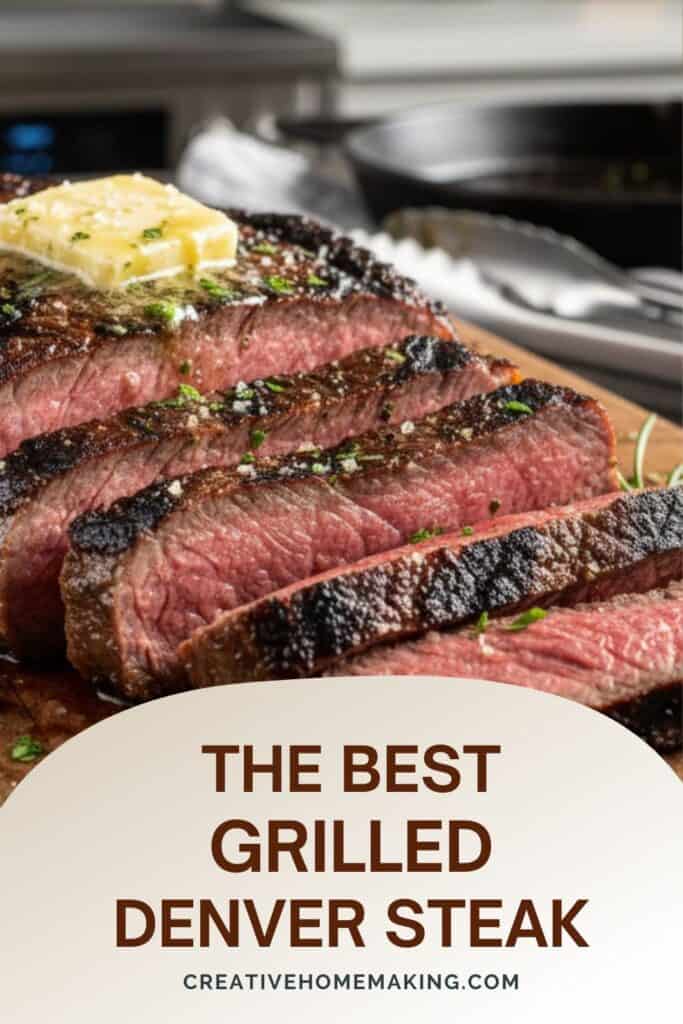
Grilled Denver steak that stays juicy, tender, and full of beefy flavor in under 30 minutes by using a simple seasoning or quick marinade and a hot grill.
Bold that sentence? Already done to make it easy to act on.
You’ll learn a step-by-step grilling method that keeps the meat tender and seared, plus tips on seasoning, timing, and resting so your steak turns out right every time.
Follow the short techniques for prep, grilling, and serving to make weeknight dinners or weekend cookouts taste like you spent hours on them.
How to Make Grilled Denver Steak
You’ll pick a well-marbled cut, use a simple seasoning or short marinade, and grill over medium-high heat to get a good sear without overcooking.
Want to try making your own jelly at home?
Get my free guide with 8 easy, beginner-friendly jelly recipes you can confidently make.
Rest the steak, then slice against the grain into thin strips for the best texture and flavor.
Choosing the Best Denver Steak
Look for steaks labeled “Denver steak” or “underblade” from the chuck. Choose pieces with even marbling and a deep red color. Marbling (thin white streaks of fat) keeps the meat tender and juicy while grilling.
Aim for steaks about 1 to 1.25 inches thick. Thinner pieces cook too fast and risk overcooking; thicker ones need more time and can end up uneven.
If you can, buy steaks that are already trimmed of excess fat but keep a thin cap for flavor.
If possible, get steaks from a trusted butcher or the meat counter where you can inspect freshness. Vacuum-sealed packaged Denver steaks are fine; check the sell-by date. Plan for 6–8 ounces per person for a main course.
Essential Ingredients and Tools
Ingredients:
- 1–2 Denver steaks (1–1.25″ thick)
- Kosher salt and coarse black pepper
- 1–2 tbsp neutral oil (canola or avocado)
- Optional: 1–2 tbsp Worcestershire or soy sauce for a short marinade
- Optional: fresh garlic, herbs, or an herb butter for finishing
Tools:
- Gas or charcoal grill with a thermometer
- Tongs and a spatula
- Instant-read meat thermometer
- Cutting board and a sharp chef’s knife
- Timer or phone for timing
Keep seasoning simple to highlight the beef. If you marinate, limit it to 30–60 minutes in the fridge with a light mix of oil and soy/Worcestershire to avoid masking the natural flavor.
Step-By-Step Grilling Instructions
Preheat your grill to medium-high, about 425–475°F. Clean and oil the grates so the steak doesn’t stick. Pat the steak dry with paper towels; dry meat sears better.
Season generously with salt and pepper right before grilling. Lightly brush oil on both sides to help sear. Place the steak on the hottest part of the grill and leave it alone for 3–4 minutes to form a crust.
Flip once using tongs and cook another 3–5 minutes. Use an instant-read thermometer: 125°F for rare, 135°F for medium-rare, 145°F for medium. For thicker steaks, move to indirect heat after searing and finish with the lid closed until it reaches the target temperature.
Avoid pressing the steak or flipping repeatedly. Let the grill do the work for a consistent crust and juicy interior.
Resting and Slicing for Maximum Flavor
After the steak hits your target temp, transfer it to a cutting board. Tent loosely with foil and rest for 5–10 minutes. Resting lets juices redistribute so they don’t spill out when you slice.
Find the grain (the direction of the muscle fibers). Slice across the grain at a slight angle into thin strips, about 1/4-inch thick. Cutting against the grain shortens fibers and makes each bite more tender.
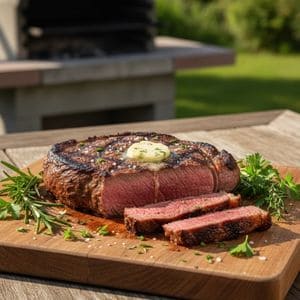
Serve slices immediately or top with a pat of herb butter or a drizzle of reserved juices. If you plan to keep leftovers, refrigerate within two hours in an airtight container.
Serving and Enjoying Grilled Denver Steak
Serve the steak hot after resting so juices stay inside. Pair it with one or two bold sides, a simple sauce, and a plan for leftovers.
Perfect Side Dishes
Choose sides that match the steak’s rich, beefy flavor. Grilled asparagus or charred broccolini add a crisp, slightly bitter contrast. Toss them in olive oil, salt, and a squeeze of lemon before grilling.
For starch, go with roasted baby potatoes or garlic mashed potatoes. Roast potatoes at 425°F until edges brown, about 25–30 minutes. Mash potatoes with butter, a little cream, and chopped chives for a creamy balance.
If you want a lighter option, make a simple arugula salad. Toss peppery arugula with thinly sliced red onion, cherry tomatoes, shaved Parmesan, and a lemon‑olive oil dressing.
Sauces and Toppings
Keep sauces simple to not overpower the steak. A compound herb butter (butter, minced parsley, thyme, and garlic) melts on top and adds richness. Spoon it over the steak while it rests.
Chimichurri brings bright, acidic flavor. Blend parsley, oregano, garlic, red wine vinegar, olive oil, and red pepper flakes. Serve 1–2 tablespoons per steak slice.
For a savory glaze, reduce balsamic vinegar with a touch of brown sugar until syrupy. Brush lightly during the last minute on the grill. Offer salt, cracked black pepper, and coarse sea salt on the side so diners season to taste.
Storing and Reheating Leftovers
Cool leftovers quickly. Slice steak, put in an airtight container, and refrigerate within two hours. Use within 3–4 days for best quality.
Reheat gently to avoid toughness. Method 1: place slices on a wire rack over a baking sheet, cover loosely with foil, and warm at 275°F until just heated through (8–12 minutes).
Method 2: warm slices in a skillet over low heat with a splash of beef broth to keep moisture. Avoid high heat or microwaving for long periods, which dries the meat.
For longer storage, freeze sliced steak in a vacuum bag or freezer bag with air removed. Thaw in the fridge overnight and reheat using the low‑heat oven method.
Follow my For the Grill board on Pinterest.