
This post may contain affiliate links.
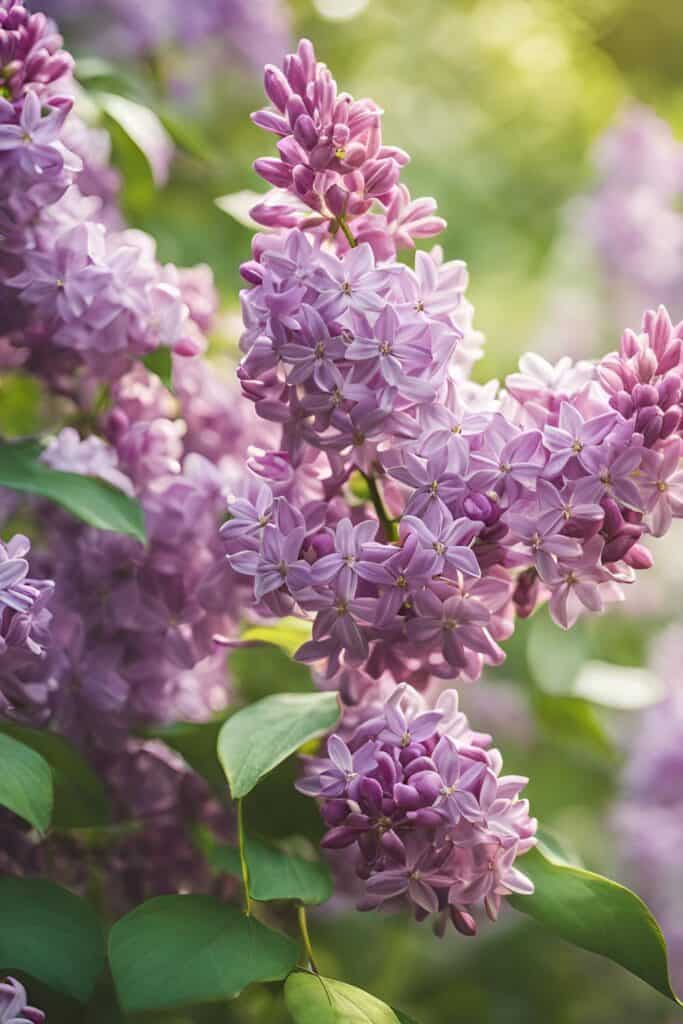
Lilacs are beautiful fragrant shrubs that deserve equally beautiful companions in the garden.
Choosing the right companion plants for lilacs can help create a layered landscape with blooms before, during, and after lilac season—while also improving pollinator activity and visual interest.
The best companions are plants that enjoy similar sunlight, soil, and watering needs.
Love lilacs? Browse all my Lilac Recipes, DIY & Growing Guide here.

What Lilacs Need to Thrive
Before choosing companion plants, remember lilacs grow best in:
Want to try making your own jelly at home?
Get my free guide with 8 easy, beginner-friendly jelly recipes you can confidently make.
- Full sun (6+ hours daily)
- Well-drained soil
- Neutral to slightly alkaline soil
- Moderate watering
- Good airflow
Choose neighbors that enjoy the same conditions.
Best Flowering Companion Plants for Lilacs
Peonies
A classic pairing.
Peonies bloom near lilac season and create a romantic cottage garden look.
Irises
Tall elegant blooms add contrast and structure.
Daylilies
Great for summer color after lilacs finish blooming.
Tulips & Daffodils
Perfect spring bulbs for early-season color before lilacs peak.
Asters
Provide late-season blooms after lilacs are done.
Best Ground Covers Under Lilacs
Creeping Phlox
Beautiful spring carpet of color.
Thyme
Fragrant and drought tolerant.
Sedum
Easy care and tidy.
Hostas
Excellent for partial shade edges and leafy contrast.
Best Shrubs to Plant Near Lilacs
Spirea
Flowers after lilacs and offers season-long interest.
Hydrangeas
Great summer follow-up bloom.
Flowering Cherry
Adds spring beauty in larger landscapes.
Evergreens
Provide year-round structure and contrast.
Best Pollinator Plants Near Lilacs
Lilacs already attract pollinators. Add:
- Bee balm
- Salvia
- Coneflowers
- Lavender
- Catmint
These help keep bees and butterflies visiting longer.
Plants to Avoid Near Lilacs
Black Walnut Trees
Release juglone, which harms many plants.
Aggressive Spreaders
Avoid plants that crowd roots and airflow.
Shade-Loving Moisture Plants
Lilacs prefer sunnier, drier conditions than many woodland plants.
How to Design a Lilac Garden Bed
Back Layer
Lilacs as anchor shrubs.
Middle Layer
Peonies, irises, daylilies.
Front Layer
Creeping phlox, thyme, sedum.
Structure
Evergreens or ornamental grasses nearby.
Lilac Care Reminder
Healthy lilacs make better companions.
Be sure to:
- Prune after blooming
- Water during drought
- Improve airflow
- Deadhead faded blooms
- Fertilize lightly in spring
Read next: How to Deadhead Lilacs for Healthier Blooms
More Lilac Growing Guides
You may also enjoy:
- How to Grow Lilacs in Containers
- How to Extend Lilac Bloom Time
- Lilacs Not Blooming? Reasons & Fixes
- Creating a Lilac Hedge
- Watering Lilacs: How Much & How Often
- How to Grow Lilacs from Cuttings: A Beginner’s Guide
Browse all my Lilac Recipes, DIY & Growing Guide here
FAQs
Can I plant roses near lilacs?
Yes, if both have enough sun and spacing.
Can I plant under lilacs?
Yes, shallow-rooted companions and ground covers work best.
What blooms after lilacs?
Daylilies, peonies (depending on type), hydrangeas, and summer perennials.
Lilacs become even more beautiful when surrounded by the right plants.
Choose companions that extend bloom season, attract pollinators, and create layers of color so your garden shines long after lilac season ends.
Follow my lilacs board on Pinterest.