This post may contain affiliate links.
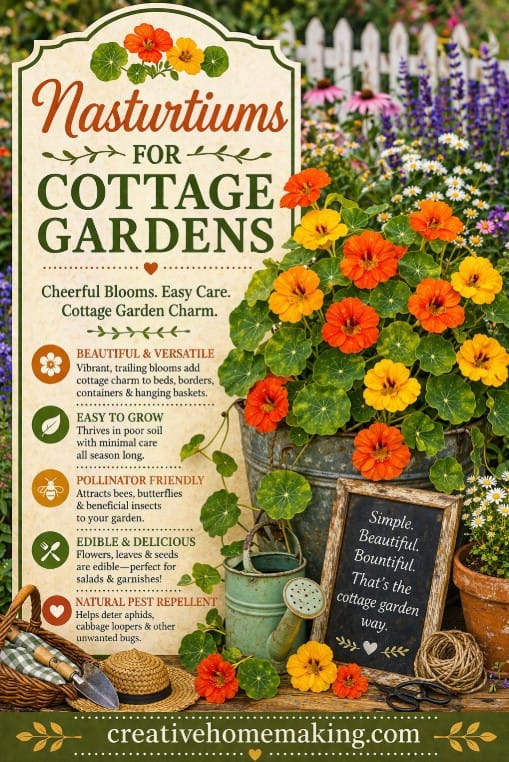
Nasturtiums are one of the easiest and most charming flowers you can grow in a cottage garden.
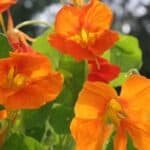
With their bright cheerful blooms, trailing vines, rounded leaves, and old-fashioned appeal, nasturtiums bring color and softness to flower beds, pathways, containers, and vegetable gardens.
If you love a relaxed garden filled with abundant blooms and practical beauty, nasturtiums for cottage gardens are a perfect choice.
They’re easy to grow, loved by pollinators, edible, and ideal for filling spaces with color all season long.
Why Nasturtiums Belong in a Cottage Garden
Cottage gardens are known for informal beauty, layered flowers, and a mix of ornamental and useful plants. Nasturtiums fit perfectly because they offer:
Want to try making your own jelly at home?
Get my free guide with 8 easy, beginner-friendly jelly recipes you can confidently make.
- Bright cottage-style blooms in warm colors
- Trailing or mounding growth habit
- Easy seed-grown flowers
- Edible flowers and leaves
- Pollinator attraction
- Long bloom season
- Old-fashioned charm
They look especially lovely mixed with roses, herbs, vegetables, and other cottage flowers.
Best Colors for Cottage Gardens
Nasturtiums bloom in beautiful warm shades such as:
- Soft yellow
- Golden orange
- Coral
- Red
- Peach
- Cream
- Bi-color mixes
These colors pair beautifully with lavender, roses, peonies, salvia, and other classic cottage plants.
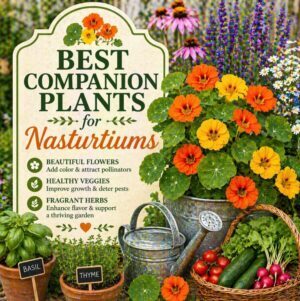
You may also like: Top 5 Nasturtium Companion Plants You Need to Try This Season
Where to Plant Nasturtiums in a Cottage Garden
Along Pathways
Let nasturtiums spill over edges for a soft, romantic look.
In Containers
They cascade beautifully from pots, window boxes, and porch planters.
Around Roses and Shrubs
Use nasturtiums as colorful fillers around taller plants.
In Vegetable Gardens
Cottage gardens often blend flowers and food. Nasturtiums look beautiful tucked near tomatoes, cucumbers, beans, and herbs.
In Raised Beds
Perfect for softening corners and edges.
Best Companion Plants for Nasturtiums in Cottage Gardens
Nasturtiums pair beautifully with:
- Roses
- Lavender
- Bee balm
- Foxglove
- Cosmos
- Calendula
- Tomatoes
- Cucumbers
- Pole beans
- Herbs like dill and parsley
You may also like: What Not to Plant with Nasturtiums: Friendly Tips for a Thriving Garden
How to Grow Nasturtiums
Plant in Full Sun to Light Shade
They bloom best in sun but can tolerate light afternoon shade.
Use Average Soil
Too-rich soil can create leaves with fewer flowers.
Direct Sow Seeds
Nasturtiums are easiest grown from seed after frost danger passes.
Water Regularly
Especially in containers or hot weather.
Deadhead for More Blooms
Removing spent flowers helps encourage more blooming.
Why Pollinators Love Nasturtiums
Nasturtiums attract:
- Bees
- Butterflies
- Beneficial insects
- Hummingbirds in some gardens
That makes them a lovely addition to pollinator-friendly cottage spaces.
Are Nasturtiums Edible?
Yes! Both flowers and leaves are edible and have a peppery flavor.
Use them in:
- Salads
- Tea party platters
- Garden party garnishes
- Cottage-style summer meals
Nasturtiums for Small Cottage Gardens
If space is limited, nasturtiums are excellent for:
- Balcony pots
- Patio containers
- Window boxes
- Tiny backyard cottage gardens
They give a lush overflowing look without needing much room.
Nasturtiums are one of the best flowers for cottage gardens because they combine beauty, usefulness, and effortless charm.
Whether climbing through borders, spilling from containers, or brightening vegetable beds, nasturtiums make any garden feel cheerful, colorful, and alive.
Once you grow them, they often become a yearly cottage garden favorite.
Follow my cottage garden flowers board on Pinterest.