This post may contain affiliate links.
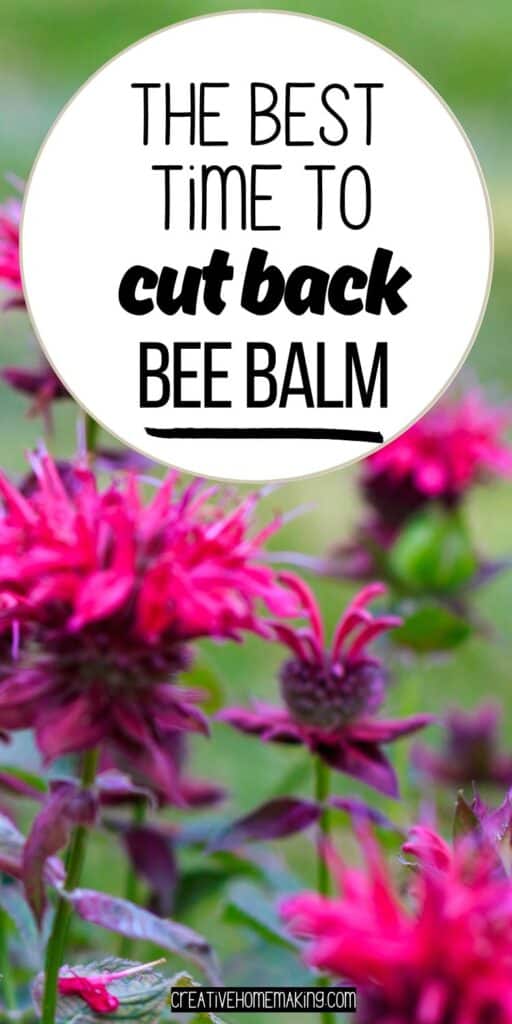
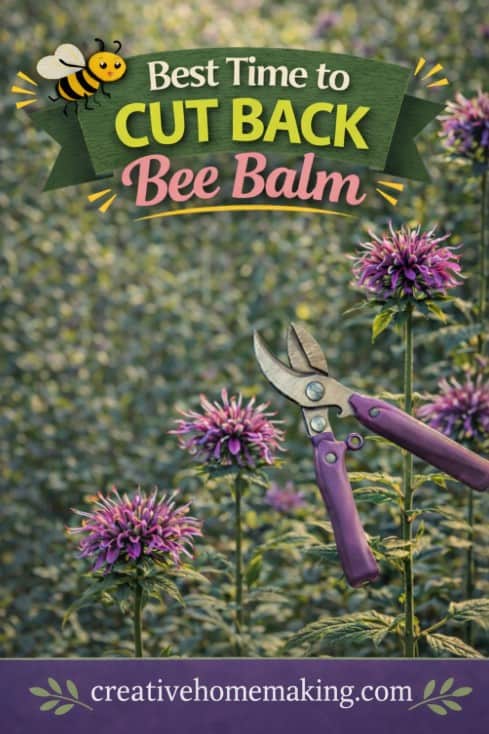
If you want your bee balm to stay healthy and bloom beautifully year after year, knowing when to cut it back makes a big difference.
The best time to cut back bee balm is in early spring before new growth starts or in late fall after the plant dies back.
Pruning at the right time helps prevent disease, encourages fuller growth, and leads to more blooms.
Looking for more tips? Visit my full Bee Balm Recipes, Uses & Growing Guide.
When to Cut Back Bee Balm
You have two main options:
Want to try making your own jelly at home?
Get my free guide with 8 easy, beginner-friendly jelly recipes you can confidently make.
- Early spring → before new growth appears
- Late fall → after the plant dies back
Both methods work well, but each has different benefits.
Spring vs Fall Pruning
Early Spring (Best for most gardens)
- Remove dead stems
- Make room for new growth
- Improve airflow
This is the best option if you want healthier plants and fewer disease problems.
Late Fall
- Cut back after frost or dieback
- Clean up the garden for winter
This helps reduce pests and keeps your garden tidy.
Trimming During the Growing Season
You can also lightly trim bee balm during the season:
- Deadhead spent flowers
- Remove damaged stems
- Lightly shape the plant
Avoid heavy pruning in summer—it can reduce blooms.
Learn more: How to Deadhead Bee Balm
Signs It’s Time to Cut Back
Watch for these signs:
- Brown, dry stems
- Faded or finished blooms
- Leggy or overcrowded growth
- Signs of mildew or disease
These are all signals your plant needs trimming.
Why Timing Matters
Cutting back at the right time helps:
- Encourage more blooms
- Prevent powdery mildew
- Keep plants bushy (not leggy)
- Improve airflow
Healthy plants = more flowers and stronger growth.
Common Mistakes to Avoid
- Cutting back too early in fall
- Pruning heavily during peak bloom
- Leaving crowded or dead growth
- Ignoring airflow issues
Learn more: Top Mistakes to Avoid While Growing Bee Balm
Don’t Forget—You Can Use Bee Balm Too
After pruning and harvesting:
How to Harvest and Dry Bee Balm
How to Make Bee Balm Tea
FAQs
Should I cut bee balm back after flowering?
Yes—deadheading encourages more blooms.
Can I cut bee balm to the ground?
Yes, in late fall or early spring.
What happens if I don’t cut it back?
Plants can become crowded and more prone to disease.
Follow my Bee Balm board on Pinterest.