This post may contain affiliate links.
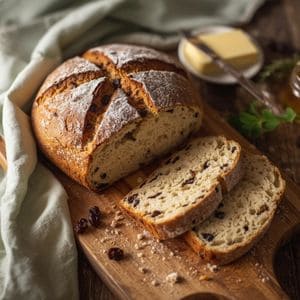
You can make a warm, crusty Irish soda bread with just a few pantry staples and about an hour of your time. This simple loaf uses flour, baking soda, salt, and buttermilk to give you a quick, rustic bread that’s ready the same day.
Follow a clear, classic recipe that shows each step, then learn easy ways to serve it, store it, and add mix-ins like raisins or seeds.
You’ll feel confident baking a tender, golden loaf whether you want plain traditional bread or a flavored twist for a meal or snack.
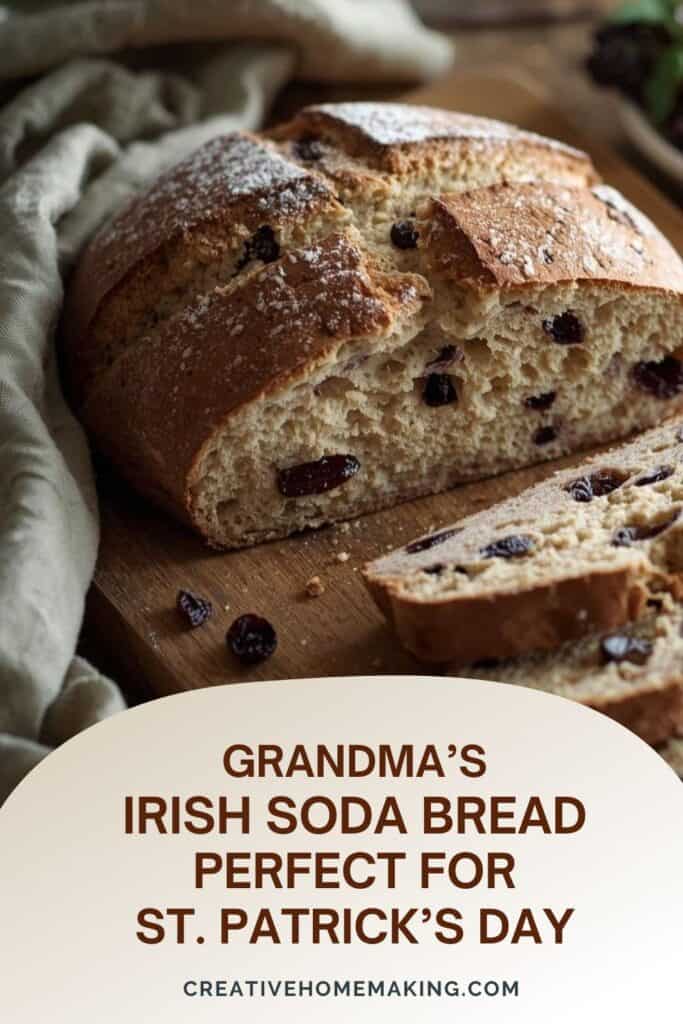
Classic Irish Soda Bread Recipe
This recipe uses just flour, baking soda, salt, and buttermilk to make a dense, tender loaf with a crisp crust.
You’ll learn what to buy, how to mix and shape the dough, and how to bake so the center cooks without the crust burning.
Want to try making your own jelly at home?
Get my free guide with 8 easy, beginner-friendly jelly recipes you can confidently make.
Ingredients
- 4 cups all-purpose flour
- 1 teaspoon baking soda
- 1 teaspoon salt
- 1 tablespoon granulated sugar
- 4 tablespoons cold unsalted butter, cubed
- 1 ¾ cups cold buttermilk
- 1 large egg (optional, for a slightly richer texture)
Instructions
Preheat your oven to 400°F (200°C) and line a baking sheet with parchment paper or lightly grease it with butter.
In a large mixing bowl, whisk together the flour, baking soda, salt, and sugar until the dry ingredients are thoroughly combined.
Add the cold, cubed butter to the flour mixture and use a pastry cutter or your fingertips to work the butter into the flour until it resembles coarse crumbs.
Make a well in the center of the dry ingredients and pour in the buttermilk and the egg, if you are using one.

Gently stir the mixture with a wooden spoon or your hands just until a shaggy dough forms; avoid overworking the dough, as this can lead to a tough loaf.
Turn the dough out onto a lightly floured surface and knead it very briefly—only 4 or 5 times—just enough to bring it together into a round loaf about 1.5 to 2 inches thick.
Place the loaf onto the prepared baking sheet and use a sharp knife to cut a deep “X” into the top of the dough, about an inch deep.
Bake for 40 to 50 minutes, or until the bread is a deep golden brown and sounds hollow when you tap the bottom of the loaf.
Remove the bread from the oven and let it cool on a wire rack for at least 30 minutes before slicing, as the steam inside finishes the cooking process.
Mixing and Shaping Tips
Handle the dough gently. Overworking develops gluten and makes the loaf tough. Use a light touch when folding or kneading; think gentle presses and quick folds rather than long pushes.
Keep the dough slightly sticky; that helps a tender crumb. If the dough feels dry, add buttermilk 1 tablespoon at a time. If it’s too wet to shape, dust with a little flour but avoid adding much.
For the classic cross on top, use a sharp knife to cut a 1/2-inch deep cross across the top just before baking. That helps steam escape and gives the bread its traditional look. For even baking, flatten the loaf slightly so the center and edges finish at similar times.
Baking and Cooling Guidance
If you have a thermometer, aim for an internal temperature of 205–210°F (96–99°C) in the center. Tent with foil if the crust browns too quickly after 20 minutes.
Cool the loaf on a wire rack at least 20–30 minutes before slicing. Cooling sets the crumb and makes slicing cleaner. Warm slices are great with butter, but the bread keeps wrapped at room temperature for 2 days or frozen for longer storage.
Serving, Storing, and Variations
This bread pairs well with butter, jam, or savory dishes like corned beef and cabbage for St. Patrick’s Day. You can keep it fresh for days with the right wrapping and reheat slices to restore crispness.
Best Ways to Serve Irish Soda Bread
Serve warm slices with a thick smear of salted butter for a classic treat. It also goes well with strong cheeses like cheddar or a soft cheese such as brie.
Use it alongside soups and stews — especially beef stew, lamb stew, or potato soup — to soak up the broth. Toast slices for breakfast and top with jam, honey, or a fried egg for a simple meal.
For a brunch spread, cut into wedges and arrange with smoked salmon, pickled onions, and a lemon wedge. If you want a light dessert, warm a slice and add a spoonful of whipped cream or mascarpone.
How to Store and Keep Fresh
Let the loaf cool completely before storing to prevent sogginess. Wrap the cooled bread in a clean kitchen towel, then place it in a paper bag or a loosely closed plastic bag to keep the crust from getting soft.
For 1–2 days, store at room temperature on the counter in a cool, dry place.
For up to a week, freeze slices or the whole loaf: double-wrap in plastic wrap and then a freezer bag. To thaw, leave wrapped at room temperature for an hour or microwave slices for 20–30 seconds to warm.
To revive a slightly stale loaf, sprinkle the cut surface with a few drops of water and bake at 350°F (175°C) for 8–10 minutes. This will crisp the crust and soften the inside.
Tasty Recipe Variations
Add a handful (1/2–3/4 cup) of raisins or currants to the dough for a sweeter, traditional version. Mix in 1–2 tablespoons of sugar and a pinch of cinnamon if you prefer a mildly spiced loaf.
For a savory twist, stir in 1/2–3/4 cup grated cheddar and 1–2 tablespoons chopped chives or herbs like rosemary. You can also fold in 1/2 cup cooked, crumbled bacon for a hearty option.
To make whole-grain soda bread, replace half the all-purpose flour with whole-wheat flour and add 1–2 tablespoons of honey or molasses to balance the denser crumb. Adjust liquid slightly if the dough feels dry.
Follow my St. Patrick’s Day Food board on Pinterest.